Posted on

Understanding Solenoid Valves for Air Flow Management

Reading Time: 13 minutes

Solenoid valves play a crucial role in managing air flow, making them essential components in various systems. At their core, solenoid valves consist of an electric coil and a movable valve mechanism. When energized, the coil creates a magnetic field that shifts the valve state between open and closed, allowing for accurate control of gases or liquids. Their rapid response time and energy efficiency make them ideal for uses in industrial automation, HVAC systems, water treatment plants, and agriculture. Texas Industrial Remcor specializes in these solutions, offering products tailored for diverse applications while maintaining a commitment to quality and innovation.

Table of Contents

  1. Overview of Solenoid Valves
  2. What is a Solenoid Valve?
  3. How Solenoid Valves Work
  4. Applications of Solenoid Valves
  5. Key Features of Solenoid Valves
  6. Types of Solenoid Valves
  7. Texas Industrial Remcor, Inc. Overview
  8. Product Offerings of Texas Industrial Remcor
  9. Industry Applications for Solenoid Valves
  10. Commitment to Quality by Texas Industrial Remcor
  11. Frequently Asked Questions

Overview of Solenoid Valves

A solenoid valve is an electromechanical device designed to control the flow of liquids or gases. It consists of two primary components: a solenoid, which is an electric coil that generates a magnetic field when energized, and a valve mechanism that opens or closes the flow path, typically using a plunger or armature that moves in response to the magnetic field. This design allows solenoid valves to provide precise control over fluid flow in various applications, from industrial automation to HVAC systems.

When voltage is applied to the solenoid, it creates a magnetic field that either attracts or repels a movable plunger, changing the valve’s state from open to closed or vice versa. This electromagnetic principle enables quick actuation, making solenoid valves suitable for applications that require rapid response times. For instance, in water treatment facilities, solenoid valves manage the inflow and chemical dosing processes, ensuring efficient operation.

Installing solenoid valves requires attention to system specifications, including voltage ratings and connection types, to ensure proper function. Safety considerations include ensuring the valves are rated for the media being controlled and that they are installed in a way that prevents leaks or malfunctions. Regular maintenance, such as checking for wear on seals and cleaning the valve, can extend the life of the solenoid valve.

Common troubleshooting tips include checking for power supply issues, ensuring that the solenoid is functioning properly, and inspecting for blockages in the valve. Compared to manual valves, solenoid valves offer advantages such as reduced labor costs, enhanced control over flow, and the ability to integrate with automated systems. As technology advances, trends in solenoid valves may include smart valves with integrated sensors for real-time monitoring and control, improving their efficiency and reliability.

What is a Solenoid Valve?

A solenoid valve is an electromechanical device that manages the flow of liquids or gases through a system. At its core, it consists of a solenoid, which is an electric coil that produces a magnetic field when powered, and a valve mechanism that opens or closes to control flow. When electrical energy is supplied to the solenoid, the magnetic field either attracts or repels a movable plunger or armature, which, in turn, alters the state of the valve, allowing for precise control over fluid dynamics.

Different designs of solenoid valves cater to specific applications, such as 2/2-way valves for simple on/off control or 3/2-way valves for directing flow. Common materials used in their construction include brass, stainless steel, and various plastics, selected for their durability and resistance to corrosion. The size of a solenoid valve can significantly impact its performance, affecting flow rates and pressure drops in a system. Moreover, solenoid valves must comply with various industry standards and certifications to ensure reliability and safety, especially in critical applications like medical equipment or hazardous environments.

You can find examples of specific solenoid valve models that vary in size and functionality, such as the ASCO series or the Parker Hannifin valves. Additionally, solenoid valves come in two primary configurations: normally open (NO) and normally closed (NC). The NO valves allow flow when de-energized, while NC valves do the opposite, providing flexibility based on system requirements.

How Solenoid Valves Work

When voltage is applied to a solenoid valve, the process begins with the solenoid coil energizing, which generates a magnetic field. This magnetic field attracts or repels a movable plunger or armature within the valve. Depending on the design, this action either opens or closes the valve, controlling the flow of air or fluid. The speed of this operation is influenced by several factors, including the pressure of the medium flowing through the valve and the characteristics of the solenoid coil itself.

The activation cycle is crucial; once voltage is supplied, the plunger moves swiftly, allowing for rapid switching between open and closed states. This responsiveness is essential in many applications where timing is critical, such as in industrial automation or HVAC systems. The magnetic field’s strength directly correlates with the electrical current flowing through the coil, making coil resistance and current ratings vital for ensuring proper valve operation.

Pressure also plays a significant role in solenoid valve function. As the pressure increases, it can affect the force needed to move the plunger, potentially slowing response times. Therefore, it’s essential to consider the operating pressure range when selecting a solenoid valve for specific applications.

In terms of power consumption, the relationship between voltage and power is straightforward: higher voltage results in higher power usage. This is why understanding the electrical configuration of solenoid valves is important. Various configurations exist, including direct current (DC) and alternating current (AC) setups, each with its own characteristics and applications.

Some advanced systems incorporate feedback mechanisms that provide real-time data on the valve’s position and performance. This feedback is invaluable in complex systems where precision is paramount. Compared to other types of actuators, solenoid valves offer quick and efficient operation, making them a preferred choice for many applications.

  • Step-by-step explanation of the operation process
  • Description of the activation cycle when voltage is applied
  • Effect of pressure on valve operation
  • Illustration of the magnetic field generation
  • Factors affecting response time and performance
  • Importance of coil resistance and current ratings
  • Discussion on the relationship between voltage and power consumption
  • Common electrical configurations used with solenoid valves
  • Role of feedback mechanisms in complex systems
  • Comparison with other types of actuators in terms of operation

Applications of Solenoid Valves

Solenoid valves play a crucial role in various industries, offering precise control over fluid flow in numerous applications. In manufacturing and processing, they are often used to automate machinery, enabling efficient production lines. For instance, solenoid valves help control actuators and cylinders in automated assembly lines, making processes faster and more reliable. In HVAC systems, these valves regulate the flow of heated or cooled air, enhancing energy efficiency and maintaining comfortable environments.

In the water and wastewater management sector, solenoid valves are integral to controlling inflow and chemical dosing, ensuring safe and effective treatment. Similarly, in the automotive industry, they manage fuel flow and other fluids, contributing to better engine performance and reliability. The food and beverage industry also heavily relies on solenoid valves for controlling the flow of liquids, ensuring hygiene and precision in production processes.

Moreover, solenoid valves find applications in renewable energy systems, such as solar and wind power, where they help manage the flow of fluids in cooling and lubrication systems. In medical devices, they control the flow of gases and liquids, making them essential for equipment like ventilators and dialysis machines. Even in home appliances, solenoid valves are used in washing machines and dishwashers to manage water flow. Overall, their versatility and reliability make solenoid valves indispensable across a wide range of sectors.

Key Features of Solenoid Valves

Solenoid valves are known for their quick actuation capabilities, allowing them to switch between open and closed states in milliseconds. This rapid response time is crucial in applications where immediate control of fluid flow is necessary, such as in automated irrigation systems or industrial processes. Modern solenoid designs also focus on energy efficiency, operating only when needed, which reduces overall power consumption and contributes to cost savings.

Durability is another key feature, as solenoid valves are constructed with materials that withstand various environmental conditions, including high pressure and temperature fluctuations. Their operating pressure ranges can vary significantly, making them suitable for different applications, from low-pressure systems to high-pressure environments.

Temperature tolerance is essential, and many solenoid valves are designed with materials that can handle extreme temperatures without compromising performance. This versatility extends to the types of fluids that can be controlled, including gases and various liquids, making them adaptable for diverse uses.

Integration into existing systems is straightforward, as solenoid valves can be easily incorporated into piping networks and control systems. Different valve configurations, such as 2/2-way and 3/2-way valves, provide flexibility in design and functionality. Moreover, leakage prevention is a vital aspect of their design, ensuring that they maintain integrity under pressure and during operation.

User-friendly features enhance installation and maintenance, with many solenoid valves designed for easy access to components and straightforward setup processes, allowing technicians to service them efficiently.

Types of Solenoid Valves

Solenoid valves come in various types, each serving specific roles in fluid control. One of the most common is the 2/2-way valve, which has two ports and functions as a simple on/off switch. These valves are commonly used in applications like air compressors and beverage dispensing systems, where they efficiently control the flow of air or liquids.

Next, we have the 3/2-way valve, which includes three ports and can direct flow in two different paths. This type is ideal for single-acting cylinders, allowing for easy control of pneumatic systems, such as those found in automated manufacturing.

For more complex control, the 5/2-way valve is often employed. This valve has five ports and is extensively used with double-acting actuators, enabling more intricate control of fluid paths. It’s commonly found in robotics and advanced automation systems.

Other configurations such as 4/2 and 5/3-way valves also exist, serving specialized functions in different applications. For instance, 4/2 valves can control two actuators, while 5/3 valves can provide multiple flow paths, enhancing flexibility in complex operations.

In addition to standard configurations, there are specialized solenoid valves tailored for unique applications, such as those used in medical devices or hazardous environments. Understanding the distinction between direct-acting and pilot-operated solenoid valves is also essential; direct-acting valves respond immediately to electrical signals, while pilot-operated valves utilize pressure differences to control flow, making them suitable for higher flow rates.

Electrically modulated valves are another exciting development, allowing for precise flow control through variable electrical signals. When considering valve designs, comparing normally closed and normally open types is vital. Normally closed valves stop flow when de-energized, while normally open valves allow flow until energized, each suited to different operational needs.

As technology evolves, new types of solenoid valves are emerging, offering enhanced performance and energy efficiency. Customization options are also available to meet specific industrial requirements, making solenoid valves versatile components in fluid management systems.

Valve TypeDescriptionApplications
2/2-Way ValvesBasic on/off control with two ports.Simple fluid control applications.
3/2-Way ValvesAllow for directional flow control, commonly used with single-acting cylinders.Pneumatic systems and actuator control.
5/2-Way ValvesUsed for double-acting actuators, providing more complex control of flow paths.Automation and control in complex systems.
4/2 and 5/3-Way ValvesSpecial configurations for specific industrial needs.Advanced applications requiring varying flow directions.
Electrically Modulated ValvesOffer precision control by varying the electromagnetic effect.High-tech automation and sensitive fluid applications.

Texas Industrial Remcor, Inc. Overview

Texas Industrial Remcor, Inc. (TIR) has been a trusted name in the valve industry since its establishment in 1972. Located in Little River Academy, Texas, the company’s headquarters plays a significant role in its operations, providing a strategic position to serve both local and national markets. TIR’s mission focuses on delivering innovative sprayer valve solutions that enhance efficiency and reliability across various applications. With a vision centered on engineering excellence, the company continuously strives to set new industry standards through advanced technology and customer-centric designs.

TIR boasts impressive engineering capabilities, with a team of skilled professionals dedicated to developing high-performance valve systems tailored to meet diverse customer needs. Over the years, the company has earned recognition within the industry, receiving multiple awards that highlight its commitment to quality and innovation. Research and development are at the core of TIR’s operations, with ongoing initiatives aimed at improving product performance and expanding their offerings.

Collaboration is another key aspect of TIR’s strategy. The company actively partners with other industry leaders to leverage resources and expertise, further enhancing its product lines and technological advancements. TIR serves a wide range of customers, from large agricultural enterprises to small industrial operations, demonstrating its broad market reach.

In addition to its focus on quality and innovation, TIR is committed to sustainability and environmental practices. The company implements eco-friendly manufacturing processes and seeks to reduce its carbon footprint, aligning with the growing demand for responsible business practices.

Looking ahead, Texas Industrial Remcor has ambitious growth plans, with strategic objectives that include expanding its product lines and entering new markets. By continuing to prioritize innovation and customer satisfaction, TIR aims to solidify its position as a leader in the sprayer valve sector.

Product Offerings of Texas Industrial Remcor

Texas Industrial Remcor offers a diverse range of solenoid valve products designed for various applications. Their lineup includes 2-way and 3-way solenoid valves, each tailored for specific needs such as agriculture, industrial cleaning, and chemical injection. Each product is crafted with a focus on quality, featuring advanced control systems that allow for precise fluid management. Clients can also benefit from customization options, ensuring that each valve meets their unique operational requirements.

Technological innovations are woven into the product lines, enhancing performance and reliability. For example, TIR valves may include features like improved sealing mechanisms and enhanced corrosion resistance, giving them an edge over competitors. Detailed technical specifications are available for each product range, helping customers make informed choices based on their specific applications.

In addition to the products themselves, Texas Industrial Remcor provides excellent service support, including the availability of replacement parts. This commitment to customer service is backed by industry certifications that assure product quality. Many customers have shared positive testimonials, highlighting the effectiveness and reliability of TIR’s solenoid valves in real-world situations. TIR also stands by their products with warranties and clear return policies, reinforcing their commitment to customer satisfaction.

Industry Applications for Solenoid Valves

Solenoid valves find a wide range of applications across various industries, showcasing their versatility and reliability. In agriculture, for example, they are instrumental in automating irrigation systems. Farmers can schedule watering precisely, optimizing water usage while ensuring crops receive the necessary hydration. A case study in California demonstrated how integrating solenoid valves in drip irrigation systems increased water efficiency by over 30%.

In industrial cleaning, solenoid valves play a crucial role in street cleaning applications. They control the flow of cleaning solutions, allowing for efficient operation with minimal waste. Companies that have adopted these systems report significant cost savings and improved cleaning efficiency.

Chemical processing also heavily relies on solenoid valves, particularly in dosing systems. These valves ensure accurate delivery of chemicals, which is vital in maintaining product quality and safety. For instance, in a pharmaceutical manufacturing plant, solenoid valves ensure that precise amounts of active ingredients are delivered, adhering to strict regulatory standards.

HVAC systems utilize solenoid valves to manage the flow of refrigerants and heated water, responding dynamically to thermostat commands. This capability not only enhances comfort but also contributes to energy savings.

In the medical field, solenoid valves are used in equipment such as ventilators and infusion pumps, where precise control of gases and fluids is essential for patient care. Their reliability in critical situations emphasizes their importance in healthcare settings.

The automotive industry employs solenoid valves in fuel systems and transmission applications, helping to improve vehicle efficiency and performance. As vehicles move towards electric power, solenoid valves are increasingly involved in battery cooling systems, highlighting their adaptability.

In construction and heavy machinery, solenoid valves are used for controlling hydraulic systems, ensuring safe and efficient operation of equipment like excavators and cranes.

Renewable energy projects, especially in solar and wind power, also utilize solenoid valves for managing fluid and gas flow, contributing to more sustainable energy solutions.

Emerging markets for solenoid valves are on the rise, particularly in regions focusing on automation and smart technologies. As industries continue to evolve, the demand for innovative solenoid valve solutions is expected to grow, paving the way for advancements in technology and application efficiency.

Commitment to Quality by Texas Industrial Remcor

Texas Industrial Remcor places a strong emphasis on quality assurance throughout its production processes. The company adheres to industry compliance standards, ensuring that all products meet or exceed regulatory requirements. This commitment is reflected in their rigorous inspection and testing methods, which guarantee that each valve functions reliably under various conditions. Customer feedback plays a crucial role in the development cycle, allowing the company to adapt and enhance products based on real-world use. Continuous improvement initiatives are implemented regularly, fostering innovation and optimizing production techniques. Staff training and development programs ensure that employees are well-equipped to maintain high standards of quality. Additionally, Texas Industrial Remcor collaborates closely with suppliers to source high-quality materials, further enhancing the durability and performance of their solenoid valves. The company also prioritizes customer service and support, viewing it as an integral part of quality assurance. Long-term reliability and performance metrics are closely monitored, reinforcing Texas Industrial Remcor’s dedication to delivering dependable solutions for air flow management.

Frequently Asked Questions

What is a solenoid valve and how does it work?

A solenoid valve is an electromechanical device that controls the flow of air or fluid. It works by using an electrical current to activate a coil, which moves a plunger or armature, opening or closing the flow.

What applications are solenoid valves commonly used for in air flow management?

Solenoid valves are often used in various applications like HVAC systems, pneumatic systems, and automated processes where precise air control is needed.

Are there different types of solenoid valves for specific tasks?

Yes, there are several types of solenoid valves, including normally open, normally closed, and three-way valves, each serving different purposes depending on how they control the flow.

What are the benefits of using solenoid valves for air flow management?

Using solenoid valves offers benefits like quick response times, precise control, and the ability to automate air flow, making systems more efficient.

How do I know if a solenoid valve is suitable for my air flow needs?

To determine if a solenoid valve is suitable, consider factors like the valve’s size, pressure rating, and the specific application it will be used for.

TL;DR Solenoid valves are electromechanical devices that control the flow of liquids or gases using a magnetic field generated by an energized coil. Common applications include industrial automation, water treatment, agriculture, HVAC systems, and medical equipment. Key features include rapid response times, energy efficiency, and durability. Various types such as 2/2-way, 3/2-way, and 5/2-way cater to different needs. Texas Industrial Remcor, Inc. specializes in solenoid valves and control systems for various industries, emphasizing quality and innovation. Their products provide essential solutions for effective fluid control.

Posted on

Fluid Control Systems

Reading Time: 13 minutes

Fluid control systems play a crucial role in many industries by managing and regulating fluids to prevent leaks. These systems, which include components like valves, hoses, fittings, and seals, work together to maintain system integrity. Leaks often arise from human error during installation or component failures due to poor materials. Environmental conditions can also degrade these components. To reduce leak risks, it’s vital to choose high-quality parts compatible with the specific fluids used. Regular inspections and proper installation are key strategies for leak prevention. Companies like Texas Industrial Remcor provide reliable products that enhance fluid management while preventing leaks effectively across various applications.

Table of Contents

  1. Understanding Fluid Control Systems
  2. Common Causes of Fluid System Leaks
  3. Leak Prevention Strategies
  4. Role of Quality Components in Leak Prevention
  5. Importance of Proper Installation Techniques
  6. Regular Inspections for Early Leak Detection
  7. Advanced Tools for Leak Detection
  8. Preventive Maintenance for Fluid Systems
  9. Texas Industrial Remcor, Inc. Overview
  10. Innovative Sprayer Valve Solutions by Texas Industrial Remcor
  11. Product Offerings: Solenoid Valves and Control Systems
  12. Applications of Texas Industrial Remcor Products in Various Industries
  13. Frequently Asked Questions

1. Understanding Fluid Control Systems

Fluid control systems are pivotal in managing the flow and pressure of liquids and gases across various industries. They play a vital role in sectors such as manufacturing, agriculture, and automotive, where maintaining operational efficiency is crucial. These systems consist of key components including valves, pumps, filters, and gauges, each serving a specific function to prevent leaks and ensure safety. Fluid control systems can be intricate, often comprising multiple interconnected parts that must work harmoniously to avoid failures. System design must take into account the unique properties of the fluids involved, such as viscosity and corrosiveness, to enhance reliability and minimize leak points. Moreover, many fluid control systems incorporate automated controls that allow for real-time monitoring and adjustments, which further aids in leak prevention. Regular updates and the integration of new technologies can significantly boost efficiency and safety measures. Training personnel in proper operation and maintenance is essential, as it helps in identifying potential issues before they escalate into leaks. A solid understanding of fluid dynamics can also assist in selecting and managing these systems effectively, ensuring they operate smoothly and securely.

2. Common Causes of Fluid System Leaks

Fluid system leaks can arise from various sources, leading to safety hazards, environmental concerns, and financial losses. One major contributor to leaks is aging infrastructure; as materials wear down over time, they can develop weaknesses that lead to leaks. Additionally, improper fitting or mismatched components can create vulnerable joints that fail under pressure. Corrosion and electrolysis are also significant issues, especially in systems that handle water or chemicals, as they can deteriorate metal parts.

Temperature fluctuations can cause materials to expand and contract, resulting in seal failures over time. Poor maintenance practices, such as neglecting to replace worn seals, heighten the risk of leaks significantly. In industrial settings, vibration and movement can loosen fittings and connections, further contributing to leaks. Moreover, using incorrect fluids or additives can compromise the integrity of seals and hoses, leading to failures.

External factors like harsh weather, UV exposure, and chemicals can degrade materials, creating potential leak points. Lastly, installation errors, such as cross-threading or over-tightening, are common human mistakes that can lead to leaks, underscoring the importance of proper techniques and material compatibility.

  • Leaking components can lead to safety hazards, environmental concerns, and financial losses.
  • Aging infrastructure and materials often contribute to leaks, necessitating regular assessment and replacement.
  • Improper fitting or mismatched components can create weak joints, leading to leaks under pressure.
  • Corrosion and electrolysis can degrade metal parts, particularly in systems with water or chemicals.
  • Temperature fluctuations can cause expansion and contraction, leading to seal failures over time.
  • Poor maintenance practices, such as neglecting to replace worn seals, can increase the likelihood of leaks.
  • Vibration and movement in industrial settings can loosen fittings and connections, resulting in leaks.
  • The use of incorrect fluids or additives can compromise seals and hoses, leading to failures.
  • External factors like weather, UV exposure, and chemicals can degrade materials and create leak points.
  • Installation errors, like cross-threading or over-tightening, are common human errors that lead to leaks.

3. Leak Prevention Strategies

Implementing a leak prevention strategy begins with choosing high-quality components. Using reliable seals, hoses, and valves that meet industry standards is crucial in maintaining system integrity. Training staff on proper installation and maintenance techniques also plays a key role in minimizing human error, which is a common cause of leaks. Regular audits and inspections are necessary to identify potential issues before they escalate into significant problems. Creating a fluid management plan that includes consistent testing and monitoring helps in early leak detection. Advanced technology, such as sensors, can provide real-time alerts to teams, allowing for swift action and reducing the risk of damage. Designing systems with easy access to components encourages regular maintenance checks. Protective coverings can safeguard sensitive parts from environmental factors that might lead to leaks. Encouraging a culture of safety and vigilance among employees enhances leak management practices, while incorporating redundancy in critical systems offers backup options in the event of a leak. Finally, documenting maintenance and inspection activities is vital for tracking performance and identifying areas that need improvement.

StrategyDescriptionBenefits
Choose the Right ComponentsUse high-quality seals, hoses, and valves that meet industry standards and ensure compatibility with the operational fluid.Reduces risk of leaks due to material failure and enhances system reliability.
Proper InstallationFollow manufacturer guidelines for torque settings and alignment while routing hoses correctly.Minimizes risk of wear and tear, ensuring components function as intended.
Regular InspectionsImplement a routine inspection schedule to check for signs of wear and damage.Early detection of issues can prevent significant downtime and protect system integrity.
Utilize Advanced Leak Detection ToolsEmploy ultrasonic leak detectors or infrared cameras for early leak detection.Improves accuracy in identifying leaks and facilitates faster response times.
Preventive Maintenance ProgramDevelop a structured maintenance plan to include checks for seal integrity and fluid quality.Ensures longevity of components and minimizes unexpected failures.

4. Role of Quality Components in Leak Prevention

High-quality components play a crucial role in preventing leaks in fluid control systems. These components are specifically designed to withstand pressure and environmental conditions, ensuring reliability over time. When durable materials are used, they significantly reduce the risk of leaks compared to cheaper alternatives that may fail under stress.

It’s essential for all components to meet relevant industry standards and certifications, which guarantees both safety and reliability. Investing in quality parts not only enhances the integrity of the system but can also lead to lower overall maintenance costs due to reduced failure rates. Regularly updating and replacing aging components with high-quality products helps maintain system performance and prevents unexpected leaks.

Moreover, compatibility between components is vital; mismatched parts can easily lead to leaks and system failures. Quality seals and gaskets are engineered to endure repeated stress and temperature changes without losing their effectiveness. Precision-engineered components ensure a better fit at joints, further minimizing the risk of leaks. Additionally, many reputable manufacturers offer warranties or guarantees, providing peace of mind regarding their products’ performance.

Finally, consistently reviewing the quality of suppliers helps maintain high standards in fluid control systems, ensuring that only the best components are used.

5. Importance of Proper Installation Techniques

Proper installation techniques lay the groundwork for a leak-free fluid control system. Adhering to manufacturer guidelines is essential, as it ensures that components are installed correctly and function as intended. Using the right tools and techniques can significantly reduce the risk of damaging components during installation. For instance, the alignment of components is crucial, misalignment can create undue stress, leading to leaks. Additionally, following torque specifications is vital; both over-tightening and under-tightening can result in issues that compromise the system’s integrity.

Training personnel in best practices for installation can greatly diminish human error, which is a common cause of leaks. Installing components in a manner that allows for easy access promotes future maintenance and inspections, enabling quicker responses to potential problems. Utilizing thread sealants or adhesives as recommended enhances the integrity of connections, further safeguarding against leaks. Documenting installation procedures ensures consistency and serves as a valuable reference for future work. Regular reviews of installation practices can drive continuous improvement, ultimately reducing the likelihood of leaks.

6. Regular Inspections for Early Leak Detection

Establishing a routine for regular inspections is vital for spotting potential leaks before they turn into major issues. During these inspections, it’s important to focus on high-risk areas like joints and seals, which are known trouble spots for leaks. Keeping an eye on fluid levels and system pressure can also provide hints about hidden leaks. For example, a sudden drop in fluid levels may indicate a leak somewhere in the system, prompting further investigation.

Advanced techniques, such as infrared thermography, can identify temperature differences that suggest leaks in pipes or fittings. Similarly, acoustic leak detection methods can pick up sounds from leaks that are not visible to the naked eye, ensuring a thorough inspection process.

Scheduling these inspections during planned downtime helps minimize disruptions to operations and enhances overall safety. Maintaining detailed records of inspection results allows for tracking trends over time, helping to pinpoint persistent problem areas. Training staff to recognize signs of leaks empowers them to act swiftly when issues arise, further protecting the system. Utilizing technology like fluid flow meters can provide real-time insights into system performance and potential leaks, making it easier to manage the system effectively. Regular inspections should be an integral part of a comprehensive preventive maintenance strategy, ensuring that the system operates reliably and efficiently.

7. Advanced Tools for Leak Detection

Investing in advanced leak detection tools can greatly enhance the ability to spot leaks early and accurately. Ultrasonic detectors, for instance, can pick up high-frequency sounds emitted by escaping fluid, allowing for a non-invasive detection method. Infrared cameras are also valuable, as they can visualize temperature differences caused by leaks, helping to quickly identify problematic areas. Pressure testing equipment serves another important role by assessing system integrity and identifying weak points before leaks can develop.

Dye testing can be particularly effective for locating leaks in closed systems, making it easier to pinpoint the exact source. Smart sensors have taken leak detection a step further, providing continuous monitoring and real-time alerts for potential leaks, which can significantly enhance response times. Furthermore, portable leak detection devices allow for quick assessments in the field, boosting efficiency.

Utilizing data analytics can help track leak patterns over time, aiding in preventive measures and improvements to the system. To ensure the effectiveness and reliability of detection tools, regular calibration and maintenance are essential. Lastly, training personnel on how to use these advanced detection tools can maximize their potential benefits, ensuring that teams are equipped to handle leak detection efficiently.

8. Preventive Maintenance for Fluid Systems

A preventive maintenance program is vital for fluid systems, focusing on regular checks and servicing to prevent unexpected failures and leaks. By establishing replacement schedules for seals, hoses, and other wear-prone components, organizations can significantly reduce the likelihood of leaks. Monitoring fluid quality and changing fluids as necessary helps to maintain performance and prevent degradation over time. Periodic pressure tests can identify weak spots within the system before they escalate into leaks, allowing for timely interventions. Keeping detailed documentation of all maintenance activities creates a historical record that can inform future maintenance decisions. Incorporating feedback from maintenance staff not only enhances maintenance practices but also improves strategies for leak prevention. Scheduling maintenance during off-peak hours minimizes disruptions to productivity while ensuring that systems remain in optimal condition. Utilizing checklists during maintenance helps ensure that all necessary tasks are completed consistently. Regular training for maintenance staff keeps them informed about best practices and new technologies, ultimately contributing to system reliability. Engaging in continuous improvement efforts can further enhance the effectiveness of maintenance programs, helping to minimize the incidence of leaks.

9. Texas Industrial Remcor, Inc. Overview

Founded in 1972, Texas Industrial Remcor, Inc. has built a solid reputation in the fluid management field. Specializing in the manufacturing of high-quality sprayer valves and control systems, the company caters to a variety of applications, ensuring that their products meet diverse industry needs. With ISO 9001 certification, Texas Industrial Remcor demonstrates a strong commitment to quality and customer satisfaction. Their headquarters in Little River Academy, Texas, facilitates efficient distribution and responsive customer support.

Innovation is at the heart of Texas Industrial Remcor’s operations, with the company continually updating its product lines to incorporate the latest technologies and materials. This dedication to innovation not only enhances performance but also plays a crucial role in leak prevention, as their products are known for their reliability and durability. Serving industries as varied as agriculture, automotive, and industrial sectors, Texas Industrial Remcor prioritizes customer feedback in their product development process, ensuring that their solutions are effective in real-world scenarios.

Additionally, the company emphasizes sustainable practices, striving for environmentally friendly manufacturing processes. By providing ongoing support and resources, Texas Industrial Remcor helps users maximize the effectiveness of their fluid systems, reducing the risk of leaks and enhancing operational efficiency.

10. Innovative Sprayer Valve Solutions by Texas Industrial Remcor

Texas Industrial Remcor specializes in sprayer valves that cater to various applications, significantly enhancing fluid control efficiency. Their solenoid valves are particularly noteworthy, as they enable automated control of fluid flow, improving both system responsiveness and reliability. One of their standout innovations is the TIR E-Chip™ Technology, which reduces energy consumption while maintaining optimal performance levels. This technology not only enhances efficiency but also minimizes the risk of leaks, thanks to innovative designs that ensure a secure fit and reliable operation under pressure.

Additionally, Texas Industrial Remcor offers customizable options to meet specific customer needs, enhancing operational flexibility. The valves are constructed from durable materials that can withstand a wide range of fluids and environmental conditions, ensuring longevity and performance over time. The company is committed to continuous improvement, regularly updating products based on user feedback to enhance valve design and functionality. To assist customers in selecting the right solutions for their applications, technical support is readily available. Their dedication to research and development positions them as leaders in the fluid control industry, providing cutting-edge solutions that help prevent leaks and ensure system integrity.

11. Product Offerings: Solenoid Valves and Control Systems

Solenoid valves are essential components in fluid control systems, acting as electrically operated devices that manage fluid flow. This automation allows for greater efficiency and precision in various applications. Texas Industrial Remcor’s solenoid valves stand out due to their high performance, durability, and reliability, which are crucial in demanding environments. With a diverse range of sizes and configurations available, these valves can be tailored to meet the specific flow requirements of different industries, from agriculture to automotive.

The integration of control systems further enhances the effectiveness of these valves. By combining multiple components, control systems ensure precise management of fluid dynamics, optimizing operational efficiency. Texas Industrial Remcor emphasizes the use of high-quality materials in their products, which not only boosts performance but also extends longevity, reducing the likelihood of leaks. Their solenoid valves are compatible with various fluids, including water, oils, and chemicals, making them versatile solutions for many applications.

Innovative features are a hallmark of Texas Industrial Remcor’s control systems, which include user-friendly interfaces and real-time monitoring capabilities. This integration allows for seamless operation alongside existing systems while minimizing pressure drops. Such design considerations not only enhance energy efficiency but also contribute to lowering operating costs. Furthermore, Texas Industrial Remcor offers custom solutions tailored to individual client needs, ensuring optimal performance for unique applications. They also provide comprehensive support for installation and maintenance, fostering effective use of their products and ultimately helping to prevent leaks.

12. Applications of Texas Industrial Remcor Products in Various Industries

Texas Industrial Remcor products have a wide range of applications across various industries, showcasing their versatility and reliability. In agriculture, solenoid valves play a crucial role in irrigation systems, allowing for precise control over water distribution, which is vital for crop health. The automotive industry relies on fluid control systems for hydraulic braking and power steering applications, where dependability is essential for safety.

Landscaping professionals benefit from these products for effective fluid management in outdoor applications, ensuring proper watering and chemical application. In industrial settings, fluid transfer in manufacturing processes is critical, and leak prevention is key to maintaining operational efficiency. Chemical processing also utilizes Texas Industrial Remcor’s control systems to manage hazardous fluids safely, ensuring secure handling and transport.

The oil and gas sector employs solenoid valves to control flow in drilling and extraction processes, emphasizing the need for durability under extreme conditions. Food and beverage industries depend on their products for safe and hygienic fluid management during processing and packaging. Additionally, HVAC systems utilize these solutions to regulate fluid flow for effective heating and cooling.

In pharmaceutical manufacturing, precise fluid control is vital for compliance with industry standards, while wastewater treatment facilities benefit from reliable fluid control systems that enhance the treatment process. Overall, Texas Industrial Remcor’s products are integral to multiple sectors, reinforcing the importance of quality fluid control in preventing leaks and ensuring operational success.

Frequently Asked Questions

What are fluid control systems and how do they work to prevent leaks?

Fluid control systems are setups that manage the flow of liquids or gases in pipes. They use various components like valves and sensors to keep everything in balance, stopping leaks from happening by making sure everything is sealed and controlled.

What are the common causes of leaks in fluid control systems?

Leaks can happen for several reasons, like worn-out seals, high pressure, or poor installation. Over time, parts can degrade, leading to openings where fluid can escape.

How can regular maintenance help in preventing leaks?

Regular maintenance allows you to check and replace worn parts, clean the system, and ensure everything is working efficiently. This care helps catch problems before they lead to leaks.

Are there specific materials used in fluid control systems that help prevent leaks?

Yes, specific materials like rubber, plastics, and metals are used because they resist corrosion and wear. These materials create tight seals that keep fluids from leaking out.

Can modern technology improve the leak prevention in fluid control systems?

Absolutely, modern technology like smart sensors and automated controls helps monitor systems in real-time. If something starts to go wrong, alerts can be sent out immediately to address issues and reduce the risk of leaks.

TL;DR Fluid control systems are crucial for managing and regulating fluids in various industries to prevent leaks. Common causes of leaks include human error, component failure, and environmental factors. Effective leak prevention strategies involve choosing high-quality components, proper installation, and regular inspections. Texas Industrial Remcor, Inc. plays a significant role in providing reliable sprayer valves and control systems, emphasizing quality and innovation. Their products cater to diverse applications, helping organizations enhance fluid management and reduce leak risks.

Posted on

Unlock Maximum Equipment Reliability

Reading Time: 5 minutes

Why Switching to USA-Made Solenoid Valves is a Game-Changer

When it comes to the backbone of agricultural and industrial spraying technology, few components are as critical—and often overlooked—as the humble solenoid valve. If you’re a grower, OEM, or service professional, you know just how disruptive a faulty valve can be. Yet, many continue to settle for imported or subpar valves, not realizing how much time, money, and efficiency they’re sacrificing.

In this blog, we’ll explore why making the switch to USA-made solenoid valves is not just an upgrade—it’s a transformational step in optimizing your equipment’s reliability, boosting performance, and safeguarding your bottom line. Whether you’re tired of patchy spray coverage, costly downtime, or constant maintenance headaches, read on to discover why your next solenoid valve should carry a Made-in-USA label.

What is a Solenoid Valve and Why Does Quality Matter?

solenoid valve is an electromechanically operated valve, foundational to controlling the flow of liquids and gases in a range of systems—from crop sprayers and irrigation rigs to industrial machinery and specialized manufacturing equipment. When a solenoid valve fails, leaks, or performs inconsistently, the consequences are swift: lost productivity, wasted resources, unplanned downtime, and sometimes equipment damage.

Many operators—especially in agriculture and OEM manufacturing—face recurring frustrations:

  • Solenoid valves that leak under pressure or temperature changes
  • Valves that fail prematurely, leading to rushed replacements
  • Inconsistent spray patterns, resulting in patchy applications and wasted product
  • Trouble sourcing replacements quickly, especially during the busy season

The problem isn’t always in your maintenance schedule; often, it starts with the quality and precision engineering of the solenoid valve itself.

The Hidden Costs of Low-Quality Solenoid Valves

Every hour lost in the field or on the line waiting for a replacement is an hour of productivity—and revenue—gone. Here’s what you risk with inferior solenoid valves:

  • Costly Downtime: Each leak or failure can mean complete stoppage for diagnosis and repair.
  • Maintenance Headaches: Unreliable valves require frequent attention, distracting from higher-value work.
  • Patchy Coverage: In agriculture, uneven spray can reduce yields and increase the risk of pests or disease.
  • Unexpected Expenses: Repeated part replacement adds up, impacting both operational budgets and profit margins.

USA-Made Solenoid Valves: Built for Reliability

Imagine a solenoid valve that just works—every time you need it. That’s the promise of USA-made solenoid valves manufactured with advanced engineering, premium-grade materials, and strict quality controls.

Why Make the Switch to USA-Made Solenoid Valves?

  • Precision-Engineered: Built to exacting standards for maximum durability and reliability.
  • Superior Materials: Only the highest quality metals and sealing materials, ensuring extended service life.
  • Consistent Spray Patterns: Designed for uniform application, so your jobs get done right every time.
  • Quick, Direct Delivery: Order as needed—no minimums or bulk requirements. Get it shipped straight to your operation.
  • Responsive, Local Support: Talk to knowledgeable support staff who understand both the products and your unique application needs.

As one satisfied customer reported:

“Call taker was very nice and the product arrived quickly, and worked as intended. On-time delivery always deserves special praise. Well-packed goods, great look for the packaging. Useful staff who can help quickly and efficiently.”

How Quality Solenoid Valves Reduce Downtime and Save Money

Time is money in agriculture and manufacturing. Here’s how upgrading to premium, American-made solenoid valves pays for itself:

  • Minimizing unplanned maintenance: Fewer failures mean more uptime for your sprayers and connected equipment.
  • Lower total cost of ownership: Durable construction means longer replacement cycles and reduced part spending over time.
  • Enhanced productivity: Consistent, accurate spray patterns translate to improved yields and product quality, lowering the risk of costly re-dos.

No Risk, No Hassle—Order With Confidence

Worried about trying something new? Texas Industrial Remcor, Inc. offers a 30-day satisfaction guarantee on every solenoid valve ordered. Experience the difference risk-free: if you’re not 100% satisfied, simply return your valve within 30 days for a full refund. No questions, no hassle.

Ready for the Busy Season? Stock is Limited

The busy agricultural season makes reliable supply chains critical. Unlike other suppliers who require bulk orders or leave you stranded on backorder, our USA-made solenoid valves are available for immediate shipment. You can order as few or as many as you need—and receive them fast, just in time to keep your operation running without interruption.

How to Order Your USA-Made Solenoid Valves

Ordering is straightforward and designed for your convenience:

  1. Visit our website to see our selection of USA-made solenoid valves engineered for your application.
  2. Place your order—no minimums or bulk commitments required.
  3. Receive fast, direct shipping straight to your door.
  4. Experience unmatched reliability and performance.
  5. Rest easy with our 30-day satisfaction guarantee.

Why Distributors and OEMs Trust Us

Texas Industrial Remcor, Inc. isn’t just another parts supplier—we’re your strategic partner in reliability. Our USA-made solenoid valves help your customers stay productive, reduce complaints, and foster long-term loyalty.

  • Reduce emergency service calls and warranty claims
  • Enhance your reputation for quality and dependability
  • Offer superior, American-made solutions to your customers

Customer Spotlight

Here’s feedback from a recent customer who made the switch:

“We switched to these USA-made solenoid valves last season and immediately saw a drop in urgent service requests. The installation was simple, spray performance is uniform, and our customers appreciate the difference. Plus, we love supporting American manufacturing.”

Solenoid Valve Selection Tips for Optimal Performance

Choosing the right solenoid valve is about more than just price. Consider:

  • Application flow rates and pressures
  • Temperature and chemical compatibility
  • Voltage and electrical connection types
  • Service environment and longevity demands

Our technical support staff can help you select the perfect valve for your application—just contact us with your specifications.

Action Step: Upgrade Your Solenoid Valve Today

Don’t let another season slip by with leaking, failing, or unreliable valves. Make the switch to premium, USA-made solenoid valves and experience the difference firsthand. Reduced downtime, improved coverage, simplified sourcing, and expert support await.

Order your USA-made solenoid valves now and unlock the reliability your operation deserves.


About Texas Industrial Remcor, Inc.
We proudly serve equipment owners, OEMs, and distributors with precision-engineered, American-made solenoid valves. Our mission: Deliver performance, reliability, and responsive service with every valve—guaranteed.

Posted on

Pressure Regulators and Solenoid Valves

Reading Time: 6 minutes
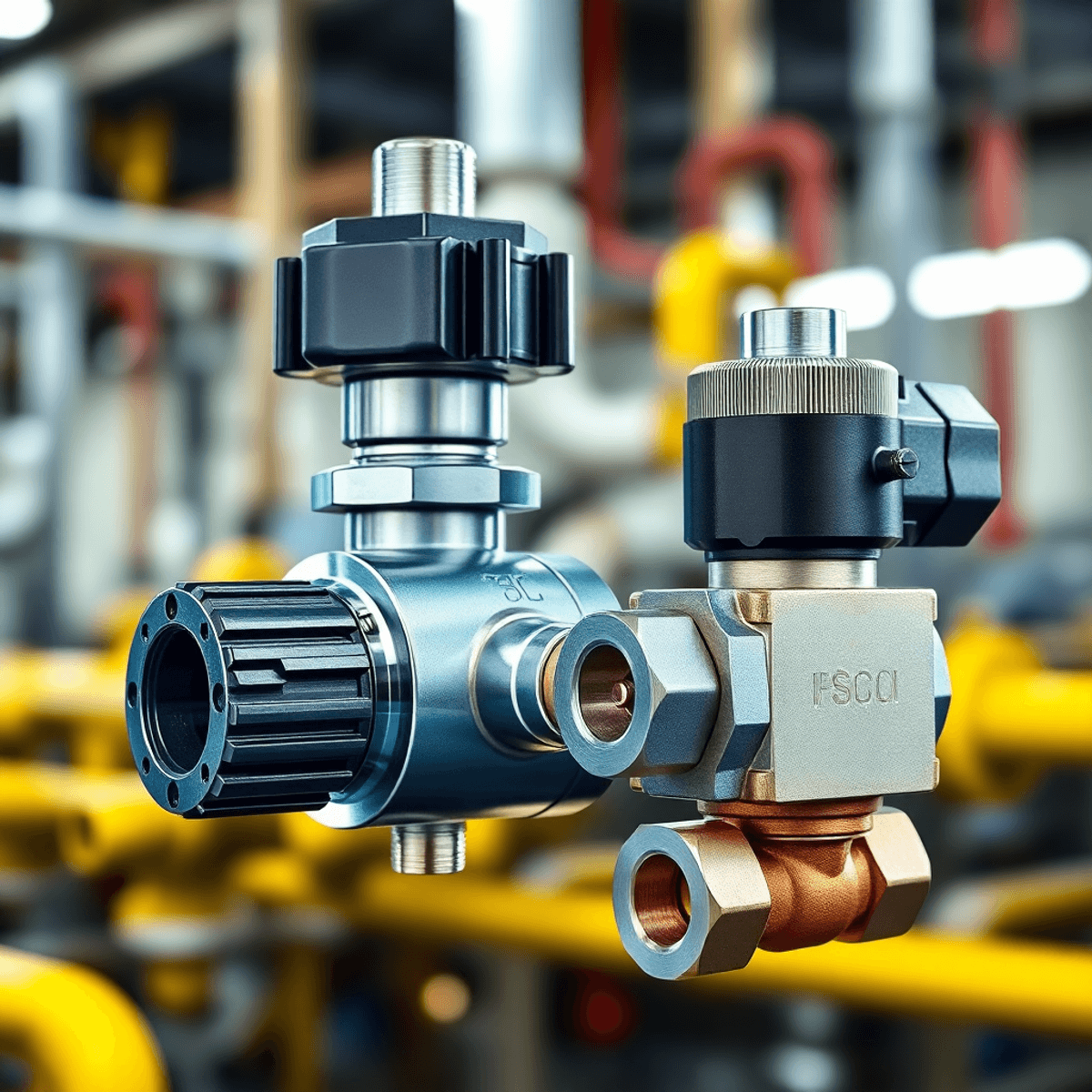
Close-up of a pressure regulator and solenoid valve with intricate mechanisms, set against an industrial background of blurred pipes, showcasing vibrant metallic textures.

Introduction

Pressure regulators and solenoid valves are critical components in industrial applications. They play a crucial role in managing fluid dynamics and ensuring operational safety.

  • Pressure Regulators: These devices maintain a consistent outlet pressure, which is vital for efficient system performance. They prevent pressure fluctuations that can lead to equipment damage or inefficient processes.
  • Solenoid Valves: These electrically controlled valves manage the flow of fluids with precision, allowing for automated control in various systems.

The combination of pressure regulators and solenoid valves offers numerous advantages:

  1. Enhanced operational efficiency
  2. Reduced energy consumption
  3. Improved safety measures

In this article, we will explore how integrating these two technologies can significantly enhance industrial efficiency. Understanding their functionalities and synergies will provide insights into optimizing your industrial operations. By examining their roles across various applications, you will gain valuable knowledge to implement these solutions effectively in your processes.

Understanding Pressure Regulators and Solenoid Valves

Pressure regulators and solenoid valves are essential components in industrial settings, playing vital roles in pressure control and fluid control systems.

Definition and Function

Pressure Regulators

These devices maintain a predetermined outlet pressure regardless of fluctuations in the inlet pressure. They ensure that processes operate within safe and efficient pressure ranges.

Solenoid Valves

These electrically operated valves control the flow of liquids or gases within a system. When energized, the solenoid coil creates a magnetic field that opens or closes the valve, enabling precise fluid control.

Importance of Stable Outlet Pressure

Maintaining stable outlet pressure is crucial for:

  1. Ensuring consistent product quality
  2. Preventing equipment damage from overpressure
  3. Enhancing the efficiency of processes by reducing energy consumption

Types of Pressure Regulators

  1. Single-stage Regulators: Designed for applications where inlet pressure does not fluctuate significantly. They offer quick response times but may not maintain stability under varying conditions.
  2. Two-stage Regulators: Ideal for applications requiring more accurate pressure control. The first stage reduces the high inlet pressure to an intermediate level, while the second stage fine-tunes it to the desired outlet pressure.
  3. Electronic Pressure Regulators: Utilize electronic sensors and actuators for precise control, allowing real-time adjustments based on system demands.

Solenoid Valve Types

Understanding solenoid valve types enhances their application potential:

  • 2-way Valves: Control flow through two ports; ideal for simple on/off operations.
  • 3-way Valves: Offer three ports to redirect flow, useful in diverting applications or mixing different fluids.
  • Direct-acting Valves: Operate using electromagnetic force directly on the valve seat; suitable for low-pressure applications.
  • Indirect-acting Valves: Use pilot pressure to operate; well-suited for high-flow and high-pressure systems.

The synergy between these components fosters improved operational efficiency, laying a foundation for enhanced industrial performance.

The Synergy Between Pressure Regulators and Solenoid Valves

Pressure regulators and solenoid valves create a powerful combination in industrial settings, enhancing fluid dynamics and process management. Their collaboration ensures precise fluid control, which is critical for maintaining operational efficiency.

Working Together

Fluid Control

  • Pressure regulators maintain stable outlet pressure
  • Solenoid valves act as on/off switches or flow controllers

This synergy allows for:

  1. Accurate flow rates
  2. Responsive adjustments to changing conditions
  3. Enhanced safety by preventing overpressure situations

Process Management

The integration of both technologies streamlines operations. Examples include:

  • Automated systems that respond to pressure changes in real time
  • Reduced manual intervention, minimizing human error

Benefits of the Combination

Integrating pressure regulators with solenoid valves leads to significant advantages, such as:

  • Improved Efficiency: Reduced energy consumption through optimized flow control.
  • Cost Savings: Minimizing wastage of resources and lowering maintenance costs due to fewer system failures.
  • Increased Longevity: Better management of pressure fluctuations extends the lifespan of equipment.

This combination not only enhances operational efficiency but also fosters reliability in various industrial applications, making it an essential element in modern automation.

Real-world Applications Across Industries

Pressure regulators and solenoid valves are essential in many industries, ensuring smooth and dependable operations. Here’s a look at the sectors that use these technologies:

1. Manufacturing Automation

Accurate control of fluid flow is crucial for machinery operation. Pressure regulators maintain optimal pressure levels, while solenoid valves enable quick on/off control, enhancing production efficiency.

2. Chemical Processing

In this industry, maintaining consistent pressure is vital for safety and product quality. Pressure regulators manage outlet pressure during reactions, while solenoid valves control the flow of hazardous materials, minimizing risks.

3. Food Processing

Hygiene and accuracy are paramount in food applications. Pressure regulators ensure that processing equipment operates within safe pressure ranges. Solenoid valves facilitate the precise dispensing of liquids, contributing to product consistency.

4. HVAC Systems

In heating and cooling applications, managing air and fluid flow is critical. Pressure regulators help maintain desired pressures in duct systems. Solenoid valves enable efficient control of refrigerants and hot water circulation.

The use of pressure regulators and solenoid valves not only makes processes smoother but also improves safety and productivity in these diverse industries.

Texas Industrial Remcor: A Leader in Valve Technology

Texas Industrial Remcor has established itself as a prominent player in the valve manufacturing industry since its inception in 1972. This family-owned business, located in Little River Academy, Texas, has built a reputation for integrity and competitive pricing. With decades of experience, they specialize in various valve solutions tailored for multiple sectors including agriculture, automotive, landscaping, and HVAC systems.

Key highlights of Texas Industrial Remcor include:

  • Specialization in Sprayer Valves: Known for developing high-quality sprayer valves that effectively manage fluid control applications. These valves are crucial in industries requiring precise regulation.
  • Advanced Control Systems: The company offers sophisticated control systems that integrate seamlessly with pressure regulators and solenoid valves. This synergy enhances operational efficiency and reliability.
  • Commitment to Quality: Texas Industrial Remcor focuses on engineering perfection into every product. Their attention to detail and smart technology ensures long-lasting performance that meets the rigorous demands of various industries.

With a strong foundation and commitment to innovation, Texas Industrial Remcor continues to make significant contributions to the valve manufacturing landscape, positioning itself as a trusted partner for American and international companies alike.

Future Trends in Industrial Automation Technologies

The world of industrial automation is changing quickly. New trends are transforming how industries handle fluid and air regulation solutions. Here are some important developments to watch for:

1. Smart Technology Integration

IoT devices are being integrated into pressure regulators and solenoid valves, enabling real-time monitoring and control. This connectivity improves operational efficiency by providing data-driven insights.

2. Artificial Intelligence

AI algorithms are increasingly being used to predict system failures and optimize performance. Predictive maintenance reduces downtime and extends the lifespan of equipment.

3. Energy Efficiency Focus

There is a growing emphasis on energy-efficient solutions. Manufacturers are developing advanced pressure regulators and solenoid valves that minimize energy consumption while maintaining performance standards.

4. Customization and Modular Solutions

Industries require more customized solutions. Manufacturers are responding by offering adaptable pressure regulation systems that can be easily integrated into existing operations.

5. Sustainability Initiatives

A shift towards sustainable practices influences product design. Companies are prioritizing eco-friendly materials and energy-efficient technologies, aligning with global sustainability goals.

These future trends indicate a more connected, efficient, and sustainable industrial environment where pressure regulators and solenoid valves play a vital role in driving innovation and operational excellence.

Conclusion

Pressure regulators and solenoid valves are essential for improving industrial efficiency. They ensure stable outlet pressure and control fluid dynamics, which are crucial for smooth operations in various industries.

Key points to consider:

  • Importance of regulation technologies: These components ensure precision and reliability in processes, reducing downtime and operational costs.
  • Benefits of implementation: Utilizing pressure regulators and solenoid valves can lead to significant improvements in productivity and safety.

As you evaluate your own applications, think about how these technologies could impact your operations. Whether in manufacturing, chemical processing, or HVAC systems, integrating pressure regulators and solenoid valves can bring substantial benefits.

Take action now to enhance your industrial efficiency. Look for solutions that are tailored to your specific needs and explore how regulation technologies can optimize your processes. Embrace the potential of these crucial components for a more efficient future.

Posted on

From Prototype to Production: A Behind-the-Scenes Look at Solenoid Valve Manufacturing

Reading Time: 3 minutes

Introduction
Solenoid valves may appear simple, but their development is a complex process requiring precision and expertise. From initial prototypes to large-scale production, each step is critical to ensuring reliability and performance. This article provides an exclusive look behind the scenes at how Texas Industrial Remcor designs and manufactures solenoid valves that exceed industry standards.


Step 1: Understanding Customer Needs

The process begins with understanding the specific requirements of the customer or application. Key considerations include:

  • Application Specifications: Pressure, temperature, and flow rate requirements.
  • Material Preferences: Metals or composites suited for the operating environment.
  • Special Features: Automation compatibility, corrosion resistance, or energy-efficient designs.

Example: A shortline equipment manufacturer required valves that could handle corrosive fertilizers while maintaining precision control. Our team collaborated with them to define exact parameters.


Step 2: Conceptual Design and Prototyping

Once requirements are defined, the engineering team begins creating designs:

  • 3D Modeling: Advanced CAD software is used to develop precise valve designs.
  • Material Selection: Engineers choose the optimal materials for durability and performance.
  • Prototyping: 3D-printed or machined prototypes are created for initial testing.

Highlight: At Texas Industrial Remcor, rapid prototyping reduces lead times, allowing customers to test initial designs within weeks.


Step 3: Rigorous Testing and Validation

Prototypes undergo extensive testing to ensure they meet all performance criteria:

  • Cycle Testing: Simulates thousands of opening and closing cycles to evaluate durability.
  • Environmental Testing: Assesses performance under extreme temperatures, pressures, and corrosive conditions.
  • Leak Detection: Ensures valves meet stringent leak prevention standards.
  • Functional Validation: Tests compatibility with customer systems, including flow rate and pressure regulation.

Highlight: Our testing processes adhere to ISO standards, guaranteeing reliable performance in demanding environments.


Step 4: Precision Manufacturing

Once prototypes pass testing, the design moves to the production phase:

  • Material Preparation: Metals and composites are sourced and prepared for machining.
  • Precision Machining: CNC machines create valve components with exact tolerances.
  • Coil Winding and Assembly: Solenoid coils are wound, assembled, and integrated with the valve body.
  • Surface Finishing: Components are polished, coated, or treated to enhance durability and corrosion resistance.

Highlight: Texas Industrial Remcor uses state-of-the-art machinery to ensure consistent quality across every batch.


Step 5: Quality Control and Final Testing

Before valves leave the factory, they undergo final quality checks:

  • Performance Testing: Every valve is tested under simulated operating conditions.
  • Visual Inspection: Ensures components are free of defects and meet aesthetic standards.
  • Batch Certification: Each production batch is certified for compliance with industry regulations.

Highlight: Our zero-defect policy ensures that every valve meets or exceeds customer expectations.


Step 6: Packaging and Shipping

After passing quality control, valves are carefully packaged to prevent damage during shipping:

  • Eco-Friendly Packaging: Sustainable materials are used to reduce environmental impact.
  • Labeling and Documentation: Each shipment includes detailed specifications and installation guides.
  • Shipping Logistics: Orders are tracked to ensure timely delivery to customers worldwide.

Highlight: Our streamlined shipping process ensures fast delivery, even for custom orders.


From Prototype to Production: The Texas Industrial Remcor Difference

What sets Texas Industrial Remcor apart is our commitment to innovation and customer satisfaction:

  • Tailored Solutions: Every valve is designed with the customer’s unique needs in mind.
  • Cutting-Edge Technology: We leverage the latest in manufacturing and testing equipment.
  • Expert Support: Our team provides guidance throughout the process, from initial consultation to after-sales service.

Conclusion
The journey from prototype to production is a meticulous process that ensures solenoid valves meet the highest standards of quality and performance. At Texas Industrial Remcor, we take pride in our ability to deliver valves that exceed expectations, helping our customers achieve operational excellence.


Ready to see the difference that quality manufacturing makes? Contact Texas Industrial Remcor today to discuss your solenoid valve needs and learn more about our production process.


Posted on

How to Troubleshoot Common Solenoid Valve Failures in Shortline Equipment

Reading Time: 2 minutes

Introduction
Solenoid valves are critical components in shortline equipment, managing the precise flow of liquids and gases. However, even the most reliable valves can encounter issues over time. This guide provides step-by-step troubleshooting tips to identify and resolve common solenoid valve failures, ensuring minimal downtime and optimal performance.


Common Symptoms of Solenoid Valve Failures

Before diving into troubleshooting, it’s essential to recognize the symptoms of a failing valve:

  1. Valve Fails to Open or Close: A common sign of electrical or mechanical failure.
  2. Leaking Valve: Indicates damaged seals or improper installation.
  3. Erratic Operation: May result from inconsistent power supply or debris in the system.
  4. Reduced Flow Rate: Suggests blockages or internal wear.

Step 1: Verify Power Supply

Problem: The solenoid coil isn’t receiving sufficient power.
Solution:

  • Use a multimeter to check the voltage and current at the coil terminals.
  • Compare readings to the valve’s specifications (e.g., AC or DC voltage requirements).
  • Ensure connections are secure and free of corrosion.

Step 2: Inspect the Solenoid Coil

Problem: A burned-out or damaged coil prevents valve actuation.
Solution:

  • Check for signs of overheating or visible damage to the coil.
  • Test the coil’s resistance using a multimeter; replace it if the resistance is outside the manufacturer’s specified range.

Step 3: Examine the Valve Body and Seals

Problem: Leaks or blockages affecting valve performance.
Solution:

  • Inspect seals and O-rings for wear or damage; replace as necessary.
  • Clean the valve body to remove debris or buildup that may obstruct flow.
  • Reassemble components carefully, ensuring proper alignment.

Step 4: Assess Mechanical Movement

Problem: The plunger or diaphragm is stuck or misaligned.
Solution:

  • Remove the valve’s cover and check for free movement of internal parts.
  • Clean and lubricate components to prevent sticking.
  • Replace worn or damaged parts, such as the plunger or spring.

Step 5: Address Contaminants in the System

Problem: Dirt or debris restricts valve functionality.
Solution:

  • Flush the system with clean fluid to remove particles.
  • Install a filter upstream of the valve to prevent future contamination.
  • Regularly inspect and clean the valve to maintain optimal performance.

Step 6: Test and Recalibrate the System

Problem: Erratic or inconsistent valve operation.
Solution:

  • After repairs, test the valve under normal operating conditions.
  • Monitor pressure and flow rates to ensure the system is calibrated correctly.
  • Adjust settings or replace components as needed to stabilize performance.

Preventive Maintenance Tips

To avoid recurring valve issues, implement the following practices:

  1. Regular Inspections: Schedule routine checks of valves and system components.
  2. Clean and Lubricate: Prevent buildup and wear by maintaining clean and lubricated parts.
  3. Monitor Operating Conditions: Ensure valves operate within specified pressure and temperature ranges.
  4. Use Quality Components: Invest in durable valves designed for your application.

Conclusion
By following these troubleshooting steps, you can quickly diagnose and resolve common solenoid valve issues, minimizing downtime and maintaining efficient operations. For reliable solenoid valves tailored to your equipment needs, contact Texas Industrial Remcor today.


Posted on

Top 5 Industry Trends Shaping the Future of Solenoid Valves in 2025

Reading Time: 2 minutes

Introduction
The industrial manufacturing sector is evolving rapidly, and solenoid valves are no exception. From advancements in materials to integration with smart systems, procurement specialists and equipment operators need to stay ahead of these changes. Here are the top five trends that will shape the future of solenoid valves in 2025.


1. Smart Solenoid Valves: The Era of Connectivity

The rise of Industry 4.0 has ushered in demand for intelligent, connected devices. Smart solenoid valves now feature:

  • IoT Integration: Allowing real-time monitoring of performance metrics like flow rate, temperature, and pressure.
  • Predictive Maintenance: Sensors alert users to potential failures before they occur, reducing downtime.
  • Remote Control: Operators can adjust valve settings from anywhere using mobile apps or control systems.

Impact: Procurement specialists should prioritize valves with IoT compatibility for future-proofing operations.


2. Sustainable and Eco-Friendly Materials

Sustainability is no longer optional; it’s an industry standard. Manufacturers are adopting eco-friendly practices by:

  • Using Recycled Materials: For valve bodies and components.
  • Energy-Efficient Coils: Low-power coils reduce energy consumption, aligning with green initiatives.
  • Biodegradable Packaging: Reducing environmental impact during transportation.

Impact: Choosing valves made with sustainable materials can help organizations meet environmental compliance requirements and enhance corporate responsibility.


3. Enhanced Customization for Niche Applications

One-size-fits-all solutions are becoming obsolete. Manufacturers are increasingly offering custom-built solenoid valves tailored for:

  • Agricultural Machinery: Designed to handle fertilizer and irrigation systems.
  • Medical Equipment: Miniaturized valves for precise control in diagnostic tools.
  • Hazardous Environments: Explosion-proof designs for oil and gas applications.

Impact: Procurement specialists gain the flexibility to select valves that match specific operational needs, reducing system inefficiencies.


4. Durability in Extreme Conditions

With industrial equipment frequently operating in harsh environments, solenoid valves are being engineered to withstand:

  • High Pressures and Temperatures: Materials like stainless steel and high-performance alloys are becoming the norm.
  • Corrosive Media: Improved coatings and seals resist wear from chemicals and saltwater.
  • Longer Life Cycles: Valves are being tested for extended performance under extreme conditions.

Impact: Investing in durable valves reduces long-term maintenance costs and enhances reliability.


5. Integration with Advanced Automation Systems

Automation is driving efficiency across industries, and solenoid valves play a key role in:

  • Pneumatic and Hydraulic Systems: Improving response times and precision in automated processes.
  • AI-Driven Control Systems: Allowing dynamic adjustments to flow based on data analytics.
  • Plug-and-Play Compatibility: Simplifying installation in advanced machinery.

Impact: Automated systems using solenoid valves boost productivity and operational accuracy.


Conclusion
These trends demonstrate that solenoid valves are not just components; they are pivotal to achieving operational excellence in modern industries. By staying informed and aligning purchases with these advancements, procurement specialists can ensure their organizations are ready for the future.


Posted on

Does it matter which way you connect a solenoid valve?

Reading Time: 6 minutes

Understanding 2-Way Valves

Functionality of 2-Way Valves

A 2-way valve, also known as a 2-port valve, is one of the simplest and most commonly used types of valves in various applications. This valve consists of two ports: an inlet port (A) and an outlet port (AB). The primary function of a 2-way valve is to control the flow of fluid between these two ports, either allowing or stopping the fluid travel.

2-way valves operate in an on/off manner or can be used to regulate flow. They are essential in process safety systems to stop fluid flow in emergencies. Additionally, they can be used to maintain desired operating temperatures by adjusting to specific fluid parameters, making them suitable for chilled or hot water applications.

Applications of 2-Way Valves

2-way valves are versatile and find applications in various industries due to their simple design and functionality. Here are some common applications:

  • On/Off Applications: Used in basic on/off operations to control fluid flow.
  • Process Safety Systems: Essential for stopping fluid flow in emergency situations.
  • Temperature Regulation: Ideal for maintaining operating temperatures in chilled or hot water systems.
  • Agricultural Equipment: Used in crop spraying systems to control the flow of water or fertilizers.

For a deeper understanding of how 2-way valves compare with 3-way valves, check out our article on what is the difference between a 2-way and 3 way solenoid valve.

Feature2-Way Valve3-Way Valve
Number of Ports2 (Inlet and Outlet)3 (Inlet, Outlet, Exhaust)
Common ApplicationsOn/Off, Safety SystemsDiversion, Mixing
Temperature ControlYesYes
ComplexitySimpleMore Complex

For more detailed information about 3-way valves, you can visit the section on what is a 3-way valve used for?.

Understanding the fundamental differences and applications of 2-way valves can help you make informed decisions when selecting the appropriate valve for your agricultural needs. Whether you are looking to control fluid flow in crop spraying systems or maintain specific operating temperatures, the 2-way valve offers a reliable and efficient solution. For more information on solenoid valve variations, including single vs. double solenoids, refer to our upcoming sections on solenoid valve selection.

Exploring 3-Way Valves

Purpose of 3-Way Valves

A 3-way solenoid valve plays a crucial role in various agricultural applications, including crop spraying systems. These valves are designed to either divert the flow of fluids or mix fluids from two inlets into a single outlet. This functionality allows you to combine fluids with different temperatures and pressures efficiently.

A 3-way 2-position valve, for instance, features three ports and two positions. It can be either normally closed or normally open. A normally closed valve will open when powered and close through spring tension, while a normally open valve will close when powered and open again through spring tension. The third port is typically used for venting (Tameson).

Advantages of 3-Way Valves

The versatility of 3-way valves offers several advantages, particularly for farmers looking to optimize their crop spraying systems. Here are some key benefits:

  1. Cost-Effective: Using a 3-way valve is more economical for diverting and mixing applications compared to utilizing multiple 2-way valves. This cost-efficiency is particularly beneficial for systems that require frequent fluid redirection or mixing (Baelz North America).
  2. Efficiency in Heating and Cooling: These valves are ideal for heating and cooling various media such as water, oils, and chemicals. They are commonly used as bypass valves in primary and secondary loop applications, making them versatile for different agricultural needs (Baelz North America).
  3. Simplified System Design: By integrating a 3-way valve, you can simplify the design of your irrigation or spraying system. This reduces the need for additional components and potential points of failure, enhancing the system’s overall reliability.
  4. Versatility in Flow Control: A 3/2 way solenoid valve has three ports and two states—an inlet port, outlet port, and exhaust port. These valves are typically used to start and stop flow rather than control it like a 5/2 way valve. This makes them highly versatile for various fluid control applications.
Feature3-Way Valve
Number of Ports3
Primary FunctionsDiverting, Mixing
Typical ApplicationsHeating, Cooling, Crop Spraying
Cost-EffectivenessMore economical than multiple 2-way valves
System SimplificationReduces need for additional components

For more information on how 3-way valves compare to 2-way valves, check out our detailed guide on what is the difference between a 2-way and 3 way solenoid valve.

Comparing 2-Way and 3-Way Valves

When deciding between a 2-way and 3-way solenoid valve, understanding their differences and applications is essential. This section will help you determine which valve suits your agricultural needs best.

Differences in Port Configuration

The primary distinction between 2-way and 3-way valves lies in their port configuration.

  • 2-Way Valves: These valves consist of two ports: an inlet port “A” and an outlet port “AB” (Baelz North America). They are used for simple on/off applications to control the flow of fluids.
  • 3-Way Valves: These valves have three ports: “A,” “B,” and “AB.”. They can either divert the flow of fluids or mix fluids from two inlets delivered to a single outlet.
Valve TypeNumber of PortsPort LabelsPrimary Function
2-Way Valve2A (Inlet), AB (Outlet)On/Off Control
3-Way Valve3A, B, ABDiverting or Mixing Fluids

Practical Applications

The choice between a 2-way and 3-way solenoid valve depends on your specific requirements, especially in agricultural applications like crop spraying.

  • 2-Way Valves: Ideal for applications that require straightforward control of fluid flow. They are commonly used for irrigation systems where you need to turn the flow on or off.
  • 3-Way Valves: More versatile and cost-effective for complex applications. In crop spraying, they can be used to mix fluids with different temperatures or pressures, ensuring precise application (Baelz North America). They are also beneficial in systems that need to divert fluid flow.
Valve TypeCommon ApplicationsBenefits
2-Way ValveIrrigation, Simple Flow ControlSimple, Reliable
3-Way ValveCrop Spraying, Fluid MixingVersatile, Cost-Effective

For detailed information on the 3 way solenoid valve and its advantages, visit our dedicated section on what is the difference between a 2-way and 3 way solenoid valve?. Understanding these differences will help you make an informed decision tailored to your agricultural needs.

Solenoid Valve Variations

When selecting the right solenoid valve for your agricultural needs, it’s essential to understand the variations available. This section will explore the differences between single and double solenoids and provide key considerations for solenoid valve selection.

Single vs. Double Solenoids

The primary difference between single and double solenoids lies in their operational mechanism and the control they offer.

Single Solenoids

A single solenoid valve features one coil. When the coil is energized, the valve moves into one position. When not energized, it returns to its default state, driven by a spring.

FeatureSingle Solenoid
Number of Coils1
Default StateSpring-driven
ControlEnergizing the coil moves the valve to one position
ApplicationsSimple on/off control, cost-effective

Double Solenoids

A double solenoid valve, on the other hand, has two coils. Energizing one coil moves the valve into one position, while energizing the other coil moves it into another position. When both coils are not energized, the valve remains in its last position.

FeatureDouble Solenoid
Number of Coils2
Default StateLast position retained
ControlEnergizing each coil moves the valve to respective positions
ApplicationsComplex control scenarios, maintaining state after power loss

Considerations for Solenoid Valve Selection

Choosing the right solenoid valve for your 3 way solenoid valve applications involves several key considerations:

  1. Operational Requirements: Determine if you need a valve that returns to a default state (single solenoid) or one that maintains its last position when not powered (double solenoid). Double solenoids are ideal when you need to keep a valve in its last position after a power loss or when the starting and ending positions differ.
  2. Port Configuration: Assess whether you need a 3-port or 5-port valve. A 3-port valve supplies and vents one side of a cylinder, while a 5-port valve can supply and vent both sides, offering more control (Chief Delphi).
  3. Electrical Control: Consider the electrical control mechanism. Single solenoids require continuous electrical power to maintain a position, whereas double solenoids do not. This can impact your overall energy consumption and control strategy.
  4. Application Specifics: Align the valve choice with your specific agricultural application. For instance, crop spraying might require precise control over fluid flow, making double solenoids a better choice for maintaining consistent spray patterns.

For further details on the differences between 2-way and 3-way solenoid valves, visit our article on what is the difference between a 2-way and 3 way solenoid valve?.

Understanding the nuances of solenoid valves will help you make an informed decision, ensuring optimal performance in your agricultural operations. Explore more about 3 way solenoid valve applications to find the best fit for your requirements.

Posted on

How to tell the difference between a two-way and three-way switch?

Reading Time: 6 minutes

Understanding Solenoid Valves

Basics of 2-Way Valves

A 2-way solenoid valve, also known as a 2-port valve, is one of the simplest designs available. It functions to either allow or stop the flow of fluid between two ports. This type of valve is often used in applications where an on-off control is required or where the regulation of flow is necessary.

FeatureDescription
Ports2
Positions2 (Open/Closed)
FunctionOn/Off or Flow Regulation

For more detailed information, you can refer to our article on what is the difference between a 2-way and 3 way solenoid valve?.

Basics of 3-Way Valves

A 3-way solenoid valve, often referred to as a “3/2 solenoid valve,” features three ports and typically operates in two positions. In its de-energized state, two of the ports are connected, allowing fluid or air to flow between them. When the valve is energized, it switches to connect a different set of ports.

FeatureDescription
Ports3
Positions2 (De-Energized/Energized)
FunctionDirectional Control

These valves are versatile and can be used for various applications, such as diverting flow, mixing fluids, or switching between different circuits. For more on how these valves function, see our article on what is a 3-way valve used for?.

By understanding the basics of these solenoid valves, you can make more informed decisions on which type is best suited for your agricultural needs, particularly in crop spraying systems. To explore more about the applications and functionalities, check out our detailed guides on 3 way solenoid valve.

Functionality of 2-Way Valves

Applications of 2-Way Valves

2-way solenoid valves are commonly used in various applications due to their simplicity and effectiveness in controlling fluid flow. Here are some key applications:

  • On/Off Applications: These valves are essential in basic on/off applications, where they control the start and stop of fluid flow. They are frequently used as isolation valves in process safety systems to immediately halt fluid flow in emergencies (Baelz North America).
  • Temperature Regulation: 2-way valves can adjust to specific fluid parameters to maintain desired temperatures and flow, making them ideal for use in chilled or hot water applications (Baelz North America).
  • Flow Control: These valves control fluid travel between two ports, allowing or blocking flow as needed. This makes them suitable for a variety of industrial applications (The Lee Company).
Application TypeUsage Description
On/Off ApplicationsBasic control of starting and stopping fluid flow. Often used for isolation.
Temperature RegulationAdjusts fluid parameters to maintain desired temperatures in chilled or hot water.
Flow ControlControls the travel of fluid between two ports, allowing or blocking flow.

For more details on the differences between 2-way and 3-way solenoid valves, visit our article on what is the difference between a 2-way and 3 way solenoid valve?.

Operating Mechanism of 2-Way Valves

The operating mechanism of a 2-way solenoid valve is straightforward, involving two primary ports: an inlet and an outlet. The valve has a single orifice (seat) that controls the flow of fluid. Here’s a detailed look at how it works:

  • Ports and Orifice: A 2-way solenoid valve has two ports—one for the inlet and one for the outlet. The orifice controls the fluid flow between these ports (Norgren).
  • Flow Control: When the solenoid is energized, the valve opens, allowing fluid to pass from the inlet to the outlet. When de-energized, the valve closes, stopping the flow (Tameson).
ComponentDescription
PortsTwo ports: one inlet and one outlet.
OrificeSingle seat that controls fluid flow.
Solenoid CoilEnergizes to open the valve and de-energizes to close the valve, controlling fluid flow.

Understanding the operating mechanism of 2-way valves helps in selecting the right valve for your specific needs. For more information on solenoid valves and their applications, you can explore articles on 3 way solenoid valve and what is a 3-way valve used for?.

Functionality of 3-Way Valves

Applications of 3-Way Valves

3-way solenoid valves are versatile and can be used in various applications, especially in agriculture for crop spraying. These valves can divert or mix fluids, making them ideal for systems that require fluid mixing or direction changes. They are commonly used to manage the flow of water, oils, and chemicals. Their ability to handle multiple functions in one unit makes them more cost-effective than using multiple 2-way valves (Baelz North America).

Here are some common applications of 3-way valves:

  • Fluid Mixing: They mix fluids from two inlets to a single outlet, which is useful for combining fluids with varying temperatures and pressures.
  • Diverting Flow: They can divert fluid from one inlet to multiple outlets, making them suitable for irrigation systems.
  • Heating and Cooling: They are used in heating and cooling systems to mix and divert media such as water and oils.
  • Bypass Valves: Frequently used as bypass valves in primary and secondary loop applications.

For more information on the purpose of three-way solenoid valves, you can refer to which of the following is the purpose of a three way solenoid valve?.

Operating Mechanism of 3-Way Valves

The operating mechanism of a 3-way solenoid valve is more complex than that of a 2-way valve. Instead of simply opening or closing, a 3-way valve can switch between different flow paths. This makes them suitable for applications that require more than just an on/off operation.

3-way valves have three ports: an inlet, an outlet, and a third port for diverting or mixing the flow. The mechanism inside the valve can direct the flow between these ports in various configurations (Plumberstar).

Port ConfigurationFunction
Port A to Port BDirect Flow
Port A to Port CDivert Flow
Port B to Port CMix Flow

The ability to switch flow paths makes 3-way valves ideal for complex systems that require precise control over fluid direction and mixing. For more detailed comparisons on the differences between 2-way and 3-way solenoid valves, visit what is the difference between a 2-way and 3 way solenoid valve?.

By understanding the applications and operating mechanisms of 3-way solenoid valves, you can make an informed decision on the best type of valve for your agricultural needs. For further reading, explore our section on 3 way solenoid valve.

Comparing 2-Way and 3-Way Valves

Differences in Port Configuration

When it comes to solenoid valves, understanding the differences in port configuration is essential. A 2-way solenoid valve has two ports: one inlet and one outlet, allowing fluid to flow in one direction only. In contrast, a 3-way solenoid valve has three ports, typically labeled as “A,” “B,” and “AB,” enabling more versatile fluid control.

Valve TypeNumber of PortsPort Labels
2-Way Valve2Inlet “A”, Outlet “AB”
3-Way Valve3“A”, “B”, “AB”

Source: Baelz North America

The 3-way valve’s additional port allows it to divert or mix fluids more efficiently. This makes it particularly useful in applications requiring more complex fluid control, such as crop spraying, where precise control over spraying patterns and fluid distribution is crucial. For more information on the applications of 3-way solenoid valves, visit our article on what is a 3-way valve used for?.

Cost-Effectiveness and Efficiency

When evaluating the cost-effectiveness and efficiency of 2-way versus 3-way solenoid valves, it’s important to consider their specific applications. The 3-way valve is generally more cost-effective for diverting and mixing applications compared to using multiple 2-way valves. This is because a single 3-way valve can perform the functions of two 2-way valves, reducing the need for additional components and simplifying the system design.

Valve TypeCost-EffectivenessCommon Applications
2-Way ValveLower initial costBasic on/off control, simple fluid routing
3-Way ValveMore cost-effective for complex applicationsDiverting, mixing, heating, cooling

Source: Baelz North America

In terms of efficiency, 3-way valves are ideal for heating and cooling various media such as water, oils, and chemicals, making them highly efficient for agricultural applications like crop spraying. They provide precise control over fluid flow and temperature regulation, which is essential for maintaining optimal conditions for your crops. For detailed insights on how 3-way valves can enhance your agricultural practices, check out our article on 3 way solenoid valve.

By understanding the differences in port configuration and evaluating the cost-effectiveness and efficiency of 2-way and 3-way solenoid valves, you can make an informed decision on which valve type best suits your specific needs. For more in-depth comparisons and technical details, explore our comprehensive guide on what is the difference between a 2-way and 3 way solenoid valve?.

Posted on

What is the application of 3 and 2 way solenoid valve?

Reading Time: 6 minutes

Understanding Solenoid Valves

Basics of 2-Way Valves

A 2-way solenoid valve, also known as a 2-port valve, is one of the simplest designs available. It functions to either allow or stop the flow of fluid between two ports. This type of valve is often used in applications where an on-off control is required or where the regulation of flow is necessary.

FeatureDescription
Ports2
Positions2 (Open/Closed)
FunctionOn/Off or Flow Regulation

For more detailed information, you can refer to our article on what is the difference between a 2-way and 3 way solenoid valve?.

Basics of 3-Way Valves

A 3-way solenoid valve, often referred to as a “3/2 solenoid valve,” features three ports and typically operates in two positions. In its de-energized state, two of the ports are connected, allowing fluid or air to flow between them. When the valve is energized, it switches to connect a different set of ports.

FeatureDescription
Ports3
Positions2 (De-Energized/Energized)
FunctionDirectional Control

These valves are versatile and can be used for various applications, such as diverting flow, mixing fluids, or switching between different circuits. For more on how these valves function, see our article on what is a 3-way valve used for?.

By understanding the basics of these solenoid valves, you can make more informed decisions on which type is best suited for your agricultural needs, particularly in crop spraying systems. To explore more about the applications and functionalities, check out our detailed guides on 3 way solenoid valve.

Functionality of 2-Way Valves

Applications of 2-Way Valves

2-way solenoid valves are commonly used in various applications due to their simplicity and effectiveness in controlling fluid flow. Here are some key applications:

  • On/Off Applications: These valves are essential in basic on/off applications, where they control the start and stop of fluid flow. They are frequently used as isolation valves in process safety systems to immediately halt fluid flow in emergencies (Baelz North America).
  • Temperature Regulation: 2-way valves can adjust to specific fluid parameters to maintain desired temperatures and flow, making them ideal for use in chilled or hot water applications (Baelz North America).
  • Flow Control: These valves control fluid travel between two ports, allowing or blocking flow as needed. This makes them suitable for a variety of industrial applications (The Lee Company).
Application TypeUsage Description
On/Off ApplicationsBasic control of starting and stopping fluid flow. Often used for isolation.
Temperature RegulationAdjusts fluid parameters to maintain desired temperatures in chilled or hot water.
Flow ControlControls the travel of fluid between two ports, allowing or blocking flow.

For more details on the differences between 2-way and 3-way solenoid valves, visit our article on what is the difference between a 2-way and 3 way solenoid valve?.

Operating Mechanism of 2-Way Valves

The operating mechanism of a 2-way solenoid valve is straightforward, involving two primary ports: an inlet and an outlet. The valve has a single orifice (seat) that controls the flow of fluid. Here’s a detailed look at how it works:

  • Ports and Orifice: A 2-way solenoid valve has two ports—one for the inlet and one for the outlet. The orifice controls the fluid flow between these ports (Norgren).
  • Flow Control: When the solenoid is energized, the valve opens, allowing fluid to pass from the inlet to the outlet. When de-energized, the valve closes, stopping the flow (Tameson).
ComponentDescription
PortsTwo ports: one inlet and one outlet.
OrificeSingle seat that controls fluid flow.
Solenoid CoilEnergizes to open the valve and de-energizes to close the valve, controlling fluid flow.

Understanding the operating mechanism of 2-way valves helps in selecting the right valve for your specific needs. For more information on solenoid valves and their applications, you can explore articles on 3 way solenoid valve and what is a 3-way valve used for?.

Functionality of 3-Way Valves

Applications of 3-Way Valves

3-way solenoid valves are versatile and can be used in various applications, especially in agriculture for crop spraying. These valves can divert or mix fluids, making them ideal for systems that require fluid mixing or direction changes. They are commonly used to manage the flow of water, oils, and chemicals. Their ability to handle multiple functions in one unit makes them more cost-effective than using multiple 2-way valves (Baelz North America).

Here are some common applications of 3-way valves:

  • Fluid Mixing: They mix fluids from two inlets to a single outlet, which is useful for combining fluids with varying temperatures and pressures.
  • Diverting Flow: They can divert fluid from one inlet to multiple outlets, making them suitable for irrigation systems.
  • Heating and Cooling: They are used in heating and cooling systems to mix and divert media such as water and oils.
  • Bypass Valves: Frequently used as bypass valves in primary and secondary loop applications.

For more information on the purpose of three-way solenoid valves, you can refer to which of the following is the purpose of a three way solenoid valve?.

Operating Mechanism of 3-Way Valves

The operating mechanism of a 3-way solenoid valve is more complex than that of a 2-way valve. Instead of simply opening or closing, a 3-way valve can switch between different flow paths. This makes them suitable for applications that require more than just an on/off operation.

3-way valves have three ports: an inlet, an outlet, and a third port for diverting or mixing the flow. The mechanism inside the valve can direct the flow between these ports in various configurations (Plumberstar).

Port ConfigurationFunction
Port A to Port BDirect Flow
Port A to Port CDivert Flow
Port B to Port CMix Flow

The ability to switch flow paths makes 3-way valves ideal for complex systems that require precise control over fluid direction and mixing. For more detailed comparisons on the differences between 2-way and 3-way solenoid valves, visit what is the difference between a 2-way and 3 way solenoid valve?.

By understanding the applications and operating mechanisms of 3-way solenoid valves, you can make an informed decision on the best type of valve for your agricultural needs. For further reading, explore our section on 3 way solenoid valve.

Comparing 2-Way and 3-Way Valves

Differences in Port Configuration

When it comes to solenoid valves, understanding the differences in port configuration is essential. A 2-way solenoid valve has two ports: one inlet and one outlet, allowing fluid to flow in one direction only. In contrast, a 3-way solenoid valve has three ports, typically labeled as “A,” “B,” and “AB,” enabling more versatile fluid control.

Valve TypeNumber of PortsPort Labels
2-Way Valve2Inlet “A”, Outlet “AB”
3-Way Valve3“A”, “B”, “AB”

Source: Baelz North America

The 3-way valve’s additional port allows it to divert or mix fluids more efficiently. This makes it particularly useful in applications requiring more complex fluid control, such as crop spraying, where precise control over spraying patterns and fluid distribution is crucial. For more information on the applications of 3-way solenoid valves, visit our article on what is a 3-way valve used for?.

Cost-Effectiveness and Efficiency

When evaluating the cost-effectiveness and efficiency of 2-way versus 3-way solenoid valves, it’s important to consider their specific applications. The 3-way valve is generally more cost-effective for diverting and mixing applications compared to using multiple 2-way valves. This is because a single 3-way valve can perform the functions of two 2-way valves, reducing the need for additional components and simplifying the system design.

Valve TypeCost-EffectivenessCommon Applications
2-Way ValveLower initial costBasic on/off control, simple fluid routing
3-Way ValveMore cost-effective for complex applicationsDiverting, mixing, heating, cooling

Source: Baelz North America

In terms of efficiency, 3-way valves are ideal for heating and cooling various media such as water, oils, and chemicals, making them highly efficient for agricultural applications like crop spraying. They provide precise control over fluid flow and temperature regulation, which is essential for maintaining optimal conditions for your crops. For detailed insights on how 3-way valves can enhance your agricultural practices, check out our article on 3 way solenoid valve.

By understanding the differences in port configuration and evaluating the cost-effectiveness and efficiency of 2-way and 3-way solenoid valves, you can make an informed decision on which valve type best suits your specific needs. For more in-depth comparisons and technical details, explore our comprehensive guide on what is the difference between a 2-way and 3 way solenoid valve?.