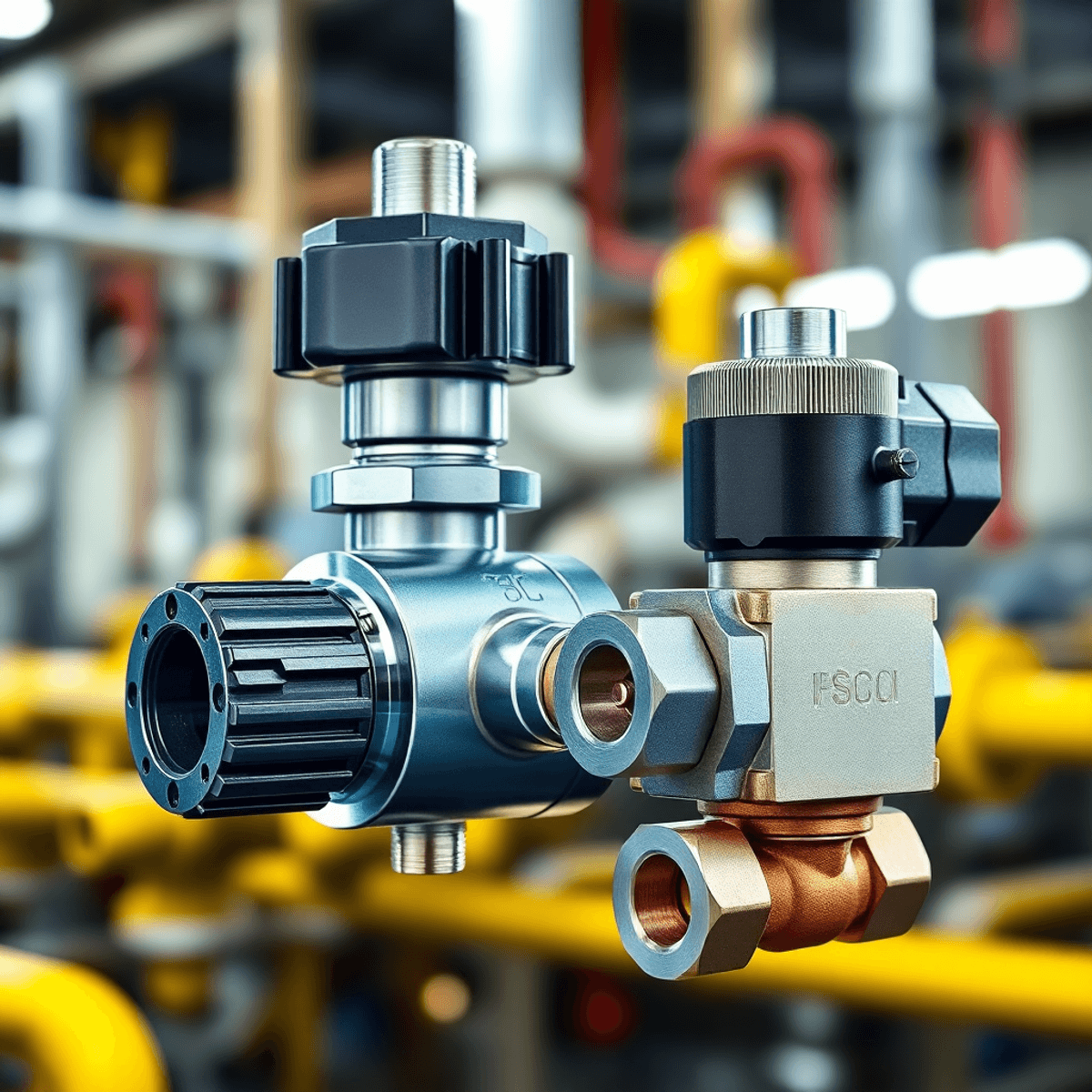
A ball valve is a type of valve that uses a spherical disc, known as a ball, to control the flow of fluid through it. The ball has a hole or port through the center, allowing fluid to pass when the valve is open. When the ball is rotated 90 degrees, the port is perpendicular to the flow, effectively shutting off the flow.
Characteristics – Quick Operation: Ball valves can be opened or closed with a quarter turn, making them easy to operate. – Tight Seal: They provide a reliable seal, preventing leaks when closed. – Durability: Made from robust materials, ball valves are designed to withstand high pressure and temperature. – Versatility: Suitable for various applications, including water, gas, and oil.
Examples – Full Port Ball Valve: This type has a ball with a hole that matches the pipe diameter, allowing for maximum flow. – Reduced Port Ball Valve: The ball has a smaller hole, which can restrict flow but is often more compact. – Trunnion Ball Valve: This design features a trunnion that supports the ball, making it suitable for high-pressure applications.
Air pressure is the force exerted by the weight of air above a given point, typically measured in pounds per square inch (psi) or pascals (Pa). It plays a crucial role in various applications, including the operation of solenoid valves, which rely on specific pressure levels to function effectively.
Characteristics – Measurement Units: Commonly measured in psi, bar, or kPa. – Atmospheric Pressure: Standard atmospheric pressure at sea level is approximately 14.7 psi (101.3 kPa). – Variability: Air pressure can change with altitude, weather conditions, and temperature. – Impact on Systems: Variations in air pressure can affect the performance of pneumatic systems and solenoid valves.
Examples – Pneumatic Tools: Air pressure is essential for the operation of tools like nail guns and air compressors. – Weather Systems: High and low-pressure systems influence weather patterns, affecting air pressure readings. – HVAC Systems: Air pressure is crucial in heating, ventilation, and air conditioning systems for proper airflow and efficiency.
The flow rate refers to the volume of fluid that passes through a given point in a system over a specified period of time. It is a crucial parameter in the design and operation of solenoid valves, as it determines how effectively a valve can control the flow of liquids or gases.
Characteristics – Measurement Units: Commonly measured in gallons per minute (GPM), liters per minute (LPM), or cubic meters per hour (m³/h). – Influencing Factors: Flow rate can be affected by factors such as pressure, temperature, and the viscosity of the fluid. – Valve Sizing: Proper sizing of solenoid valves is essential to ensure that they can handle the desired flow rate without causing excessive pressure drops or inefficiencies.
Examples – A solenoid valve in a water irrigation system may have a flow rate of 10 GPM, allowing it to efficiently distribute water to crops. – In a pneumatic system, a solenoid valve might control air flow with a flow rate of 50 LPM, ensuring that machinery operates smoothly.
Fluid control systems play a crucial role in many industries by managing and regulating fluids to prevent leaks. These systems, which include components like valves, hoses, fittings, and seals, work together to maintain system integrity. Leaks often arise from human error during installation or component failures due to poor materials. Environmental conditions can also degrade these components. To reduce leak risks, it’s vital to choose high-quality parts compatible with the specific fluids used. Regular inspections and proper installation are key strategies for leak prevention. Companies like Texas Industrial Remcor provide reliable products that enhance fluid management while preventing leaks effectively across various applications.
Fluid control systems are pivotal in managing the flow and pressure of liquids and gases across various industries. They play a vital role in sectors such as manufacturing, agriculture, and automotive, where maintaining operational efficiency is crucial. These systems consist of key components including valves, pumps, filters, and gauges, each serving a specific function to prevent leaks and ensure safety. Fluid control systems can be intricate, often comprising multiple interconnected parts that must work harmoniously to avoid failures. System design must take into account the unique properties of the fluids involved, such as viscosity and corrosiveness, to enhance reliability and minimize leak points. Moreover, many fluid control systems incorporate automated controls that allow for real-time monitoring and adjustments, which further aids in leak prevention. Regular updates and the integration of new technologies can significantly boost efficiency and safety measures. Training personnel in proper operation and maintenance is essential, as it helps in identifying potential issues before they escalate into leaks. A solid understanding of fluid dynamics can also assist in selecting and managing these systems effectively, ensuring they operate smoothly and securely.
2. Common Causes of Fluid System Leaks
Fluid system leaks can arise from various sources, leading to safety hazards, environmental concerns, and financial losses. One major contributor to leaks is aging infrastructure; as materials wear down over time, they can develop weaknesses that lead to leaks. Additionally, improper fitting or mismatched components can create vulnerable joints that fail under pressure. Corrosion and electrolysis are also significant issues, especially in systems that handle water or chemicals, as they can deteriorate metal parts.
Temperature fluctuations can cause materials to expand and contract, resulting in seal failures over time. Poor maintenance practices, such as neglecting to replace worn seals, heighten the risk of leaks significantly. In industrial settings, vibration and movement can loosen fittings and connections, further contributing to leaks. Moreover, using incorrect fluids or additives can compromise the integrity of seals and hoses, leading to failures.
External factors like harsh weather, UV exposure, and chemicals can degrade materials, creating potential leak points. Lastly, installation errors, such as cross-threading or over-tightening, are common human mistakes that can lead to leaks, underscoring the importance of proper techniques and material compatibility.
Leaking components can lead to safety hazards, environmental concerns, and financial losses.
Aging infrastructure and materials often contribute to leaks, necessitating regular assessment and replacement.
Improper fitting or mismatched components can create weak joints, leading to leaks under pressure.
Corrosion and electrolysis can degrade metal parts, particularly in systems with water or chemicals.
Temperature fluctuations can cause expansion and contraction, leading to seal failures over time.
Poor maintenance practices, such as neglecting to replace worn seals, can increase the likelihood of leaks.
Vibration and movement in industrial settings can loosen fittings and connections, resulting in leaks.
The use of incorrect fluids or additives can compromise seals and hoses, leading to failures.
External factors like weather, UV exposure, and chemicals can degrade materials and create leak points.
Installation errors, like cross-threading or over-tightening, are common human errors that lead to leaks.
3. Leak Prevention Strategies
Implementing a leak prevention strategy begins with choosing high-quality components. Using reliable seals, hoses, and valves that meet industry standards is crucial in maintaining system integrity. Training staff on proper installation and maintenance techniques also plays a key role in minimizing human error, which is a common cause of leaks. Regular audits and inspections are necessary to identify potential issues before they escalate into significant problems. Creating a fluid management plan that includes consistent testing and monitoring helps in early leak detection. Advanced technology, such as sensors, can provide real-time alerts to teams, allowing for swift action and reducing the risk of damage. Designing systems with easy access to components encourages regular maintenance checks. Protective coverings can safeguard sensitive parts from environmental factors that might lead to leaks. Encouraging a culture of safety and vigilance among employees enhances leak management practices, while incorporating redundancy in critical systems offers backup options in the event of a leak. Finally, documenting maintenance and inspection activities is vital for tracking performance and identifying areas that need improvement.
Strategy
Description
Benefits
Choose the Right Components
Use high-quality seals, hoses, and valves that meet industry standards and ensure compatibility with the operational fluid.
Reduces risk of leaks due to material failure and enhances system reliability.
Proper Installation
Follow manufacturer guidelines for torque settings and alignment while routing hoses correctly.
Minimizes risk of wear and tear, ensuring components function as intended.
Regular Inspections
Implement a routine inspection schedule to check for signs of wear and damage.
Early detection of issues can prevent significant downtime and protect system integrity.
Utilize Advanced Leak Detection Tools
Employ ultrasonic leak detectors or infrared cameras for early leak detection.
Improves accuracy in identifying leaks and facilitates faster response times.
Preventive Maintenance Program
Develop a structured maintenance plan to include checks for seal integrity and fluid quality.
Ensures longevity of components and minimizes unexpected failures.
4. Role of Quality Components in Leak Prevention
High-quality components play a crucial role in preventing leaks in fluid control systems. These components are specifically designed to withstand pressure and environmental conditions, ensuring reliability over time. When durable materials are used, they significantly reduce the risk of leaks compared to cheaper alternatives that may fail under stress.
It’s essential for all components to meet relevant industry standards and certifications, which guarantees both safety and reliability. Investing in quality parts not only enhances the integrity of the system but can also lead to lower overall maintenance costs due to reduced failure rates. Regularly updating and replacing aging components with high-quality products helps maintain system performance and prevents unexpected leaks.
Moreover, compatibility between components is vital; mismatched parts can easily lead to leaks and system failures. Quality seals and gaskets are engineered to endure repeated stress and temperature changes without losing their effectiveness. Precision-engineered components ensure a better fit at joints, further minimizing the risk of leaks. Additionally, many reputable manufacturers offer warranties or guarantees, providing peace of mind regarding their products’ performance.
Finally, consistently reviewing the quality of suppliers helps maintain high standards in fluid control systems, ensuring that only the best components are used.
5. Importance of Proper Installation Techniques
Proper installation techniques lay the groundwork for a leak-free fluid control system. Adhering to manufacturer guidelines is essential, as it ensures that components are installed correctly and function as intended. Using the right tools and techniques can significantly reduce the risk of damaging components during installation. For instance, the alignment of components is crucial, misalignment can create undue stress, leading to leaks. Additionally, following torque specifications is vital; both over-tightening and under-tightening can result in issues that compromise the system’s integrity.
Training personnel in best practices for installation can greatly diminish human error, which is a common cause of leaks. Installing components in a manner that allows for easy access promotes future maintenance and inspections, enabling quicker responses to potential problems. Utilizing thread sealants or adhesives as recommended enhances the integrity of connections, further safeguarding against leaks. Documenting installation procedures ensures consistency and serves as a valuable reference for future work. Regular reviews of installation practices can drive continuous improvement, ultimately reducing the likelihood of leaks.
6. Regular Inspections for Early Leak Detection
Establishing a routine for regular inspections is vital for spotting potential leaks before they turn into major issues. During these inspections, it’s important to focus on high-risk areas like joints and seals, which are known trouble spots for leaks. Keeping an eye on fluid levels and system pressure can also provide hints about hidden leaks. For example, a sudden drop in fluid levels may indicate a leak somewhere in the system, prompting further investigation.
Advanced techniques, such as infrared thermography, can identify temperature differences that suggest leaks in pipes or fittings. Similarly, acoustic leak detection methods can pick up sounds from leaks that are not visible to the naked eye, ensuring a thorough inspection process.
Scheduling these inspections during planned downtime helps minimize disruptions to operations and enhances overall safety. Maintaining detailed records of inspection results allows for tracking trends over time, helping to pinpoint persistent problem areas. Training staff to recognize signs of leaks empowers them to act swiftly when issues arise, further protecting the system. Utilizing technology like fluid flow meters can provide real-time insights into system performance and potential leaks, making it easier to manage the system effectively. Regular inspections should be an integral part of a comprehensive preventive maintenance strategy, ensuring that the system operates reliably and efficiently.
7. Advanced Tools for Leak Detection
Investing in advanced leak detection tools can greatly enhance the ability to spot leaks early and accurately. Ultrasonic detectors, for instance, can pick up high-frequency sounds emitted by escaping fluid, allowing for a non-invasive detection method. Infrared cameras are also valuable, as they can visualize temperature differences caused by leaks, helping to quickly identify problematic areas. Pressure testing equipment serves another important role by assessing system integrity and identifying weak points before leaks can develop.
Dye testing can be particularly effective for locating leaks in closed systems, making it easier to pinpoint the exact source. Smart sensors have taken leak detection a step further, providing continuous monitoring and real-time alerts for potential leaks, which can significantly enhance response times. Furthermore, portable leak detection devices allow for quick assessments in the field, boosting efficiency.
Utilizing data analytics can help track leak patterns over time, aiding in preventive measures and improvements to the system. To ensure the effectiveness and reliability of detection tools, regular calibration and maintenance are essential. Lastly, training personnel on how to use these advanced detection tools can maximize their potential benefits, ensuring that teams are equipped to handle leak detection efficiently.
8. Preventive Maintenance for Fluid Systems
A preventive maintenance program is vital for fluid systems, focusing on regular checks and servicing to prevent unexpected failures and leaks. By establishing replacement schedules for seals, hoses, and other wear-prone components, organizations can significantly reduce the likelihood of leaks. Monitoring fluid quality and changing fluids as necessary helps to maintain performance and prevent degradation over time. Periodic pressure tests can identify weak spots within the system before they escalate into leaks, allowing for timely interventions. Keeping detailed documentation of all maintenance activities creates a historical record that can inform future maintenance decisions. Incorporating feedback from maintenance staff not only enhances maintenance practices but also improves strategies for leak prevention. Scheduling maintenance during off-peak hours minimizes disruptions to productivity while ensuring that systems remain in optimal condition. Utilizing checklists during maintenance helps ensure that all necessary tasks are completed consistently. Regular training for maintenance staff keeps them informed about best practices and new technologies, ultimately contributing to system reliability. Engaging in continuous improvement efforts can further enhance the effectiveness of maintenance programs, helping to minimize the incidence of leaks.
9. Texas Industrial Remcor, Inc. Overview
Founded in 1972, Texas Industrial Remcor, Inc. has built a solid reputation in the fluid management field. Specializing in the manufacturing of high-quality sprayer valves and control systems, the company caters to a variety of applications, ensuring that their products meet diverse industry needs. With ISO 9001 certification, Texas Industrial Remcor demonstrates a strong commitment to quality and customer satisfaction. Their headquarters in Little River Academy, Texas, facilitates efficient distribution and responsive customer support.
Innovation is at the heart of Texas Industrial Remcor’s operations, with the company continually updating its product lines to incorporate the latest technologies and materials. This dedication to innovation not only enhances performance but also plays a crucial role in leak prevention, as their products are known for their reliability and durability. Serving industries as varied as agriculture, automotive, and industrial sectors, Texas Industrial Remcor prioritizes customer feedback in their product development process, ensuring that their solutions are effective in real-world scenarios.
Additionally, the company emphasizes sustainable practices, striving for environmentally friendly manufacturing processes. By providing ongoing support and resources, Texas Industrial Remcor helps users maximize the effectiveness of their fluid systems, reducing the risk of leaks and enhancing operational efficiency.
10. Innovative Sprayer Valve Solutions by Texas Industrial Remcor
Texas Industrial Remcor specializes in sprayer valves that cater to various applications, significantly enhancing fluid control efficiency. Their solenoid valves are particularly noteworthy, as they enable automated control of fluid flow, improving both system responsiveness and reliability. One of their standout innovations is the TIR E-Chip™ Technology, which reduces energy consumption while maintaining optimal performance levels. This technology not only enhances efficiency but also minimizes the risk of leaks, thanks to innovative designs that ensure a secure fit and reliable operation under pressure.
Additionally, Texas Industrial Remcor offers customizable options to meet specific customer needs, enhancing operational flexibility. The valves are constructed from durable materials that can withstand a wide range of fluids and environmental conditions, ensuring longevity and performance over time. The company is committed to continuous improvement, regularly updating products based on user feedback to enhance valve design and functionality. To assist customers in selecting the right solutions for their applications, technical support is readily available. Their dedication to research and development positions them as leaders in the fluid control industry, providing cutting-edge solutions that help prevent leaks and ensure system integrity.
11. Product Offerings: Solenoid Valves and Control Systems
Solenoid valves are essential components in fluid control systems, acting as electrically operated devices that manage fluid flow. This automation allows for greater efficiency and precision in various applications. Texas Industrial Remcor’s solenoid valves stand out due to their high performance, durability, and reliability, which are crucial in demanding environments. With a diverse range of sizes and configurations available, these valves can be tailored to meet the specific flow requirements of different industries, from agriculture to automotive.
The integration of control systems further enhances the effectiveness of these valves. By combining multiple components, control systems ensure precise management of fluid dynamics, optimizing operational efficiency. Texas Industrial Remcor emphasizes the use of high-quality materials in their products, which not only boosts performance but also extends longevity, reducing the likelihood of leaks. Their solenoid valves are compatible with various fluids, including water, oils, and chemicals, making them versatile solutions for many applications.
Innovative features are a hallmark of Texas Industrial Remcor’s control systems, which include user-friendly interfaces and real-time monitoring capabilities. This integration allows for seamless operation alongside existing systems while minimizing pressure drops. Such design considerations not only enhance energy efficiency but also contribute to lowering operating costs. Furthermore, Texas Industrial Remcor offers custom solutions tailored to individual client needs, ensuring optimal performance for unique applications. They also provide comprehensive support for installation and maintenance, fostering effective use of their products and ultimately helping to prevent leaks.
12. Applications of Texas Industrial Remcor Products in Various Industries
Texas Industrial Remcor products have a wide range of applications across various industries, showcasing their versatility and reliability. In agriculture, solenoid valves play a crucial role in irrigation systems, allowing for precise control over water distribution, which is vital for crop health. The automotive industry relies on fluid control systems for hydraulic braking and power steering applications, where dependability is essential for safety.
Landscaping professionals benefit from these products for effective fluid management in outdoor applications, ensuring proper watering and chemical application. In industrial settings, fluid transfer in manufacturing processes is critical, and leak prevention is key to maintaining operational efficiency. Chemical processing also utilizes Texas Industrial Remcor’s control systems to manage hazardous fluids safely, ensuring secure handling and transport.
The oil and gas sector employs solenoid valves to control flow in drilling and extraction processes, emphasizing the need for durability under extreme conditions. Food and beverage industries depend on their products for safe and hygienic fluid management during processing and packaging. Additionally, HVAC systems utilize these solutions to regulate fluid flow for effective heating and cooling.
In pharmaceutical manufacturing, precise fluid control is vital for compliance with industry standards, while wastewater treatment facilities benefit from reliable fluid control systems that enhance the treatment process. Overall, Texas Industrial Remcor’s products are integral to multiple sectors, reinforcing the importance of quality fluid control in preventing leaks and ensuring operational success.
Frequently Asked Questions
What are fluid control systems and how do they work to prevent leaks?
Fluid control systems are setups that manage the flow of liquids or gases in pipes. They use various components like valves and sensors to keep everything in balance, stopping leaks from happening by making sure everything is sealed and controlled.
What are the common causes of leaks in fluid control systems?
Leaks can happen for several reasons, like worn-out seals, high pressure, or poor installation. Over time, parts can degrade, leading to openings where fluid can escape.
How can regular maintenance help in preventing leaks?
Regular maintenance allows you to check and replace worn parts, clean the system, and ensure everything is working efficiently. This care helps catch problems before they lead to leaks.
Are there specific materials used in fluid control systems that help prevent leaks?
Yes, specific materials like rubber, plastics, and metals are used because they resist corrosion and wear. These materials create tight seals that keep fluids from leaking out.
Can modern technology improve the leak prevention in fluid control systems?
Absolutely, modern technology like smart sensors and automated controls helps monitor systems in real-time. If something starts to go wrong, alerts can be sent out immediately to address issues and reduce the risk of leaks.
TL;DR Fluid control systems are crucial for managing and regulating fluids in various industries to prevent leaks. Common causes of leaks include human error, component failure, and environmental factors. Effective leak prevention strategies involve choosing high-quality components, proper installation, and regular inspections. Texas Industrial Remcor, Inc. plays a significant role in providing reliable sprayer valves and control systems, emphasizing quality and innovation. Their products cater to diverse applications, helping organizations enhance fluid management and reduce leak risks.
Why Switching to USA-Made Solenoid Valves is a Game-Changer
When it comes to the backbone of agricultural and industrial spraying technology, few components are as critical—and often overlooked—as the humble solenoid valve. If you’re a grower, OEM, or service professional, you know just how disruptive a faulty valve can be. Yet, many continue to settle for imported or subpar valves, not realizing how much time, money, and efficiency they’re sacrificing.
In this blog, we’ll explore why making the switch to USA-made solenoid valves is not just an upgrade—it’s a transformational step in optimizing your equipment’s reliability, boosting performance, and safeguarding your bottom line. Whether you’re tired of patchy spray coverage, costly downtime, or constant maintenance headaches, read on to discover why your next solenoid valve should carry a Made-in-USA label.
What is a Solenoid Valve and Why Does Quality Matter?
A solenoid valve is an electromechanically operated valve, foundational to controlling the flow of liquids and gases in a range of systems—from crop sprayers and irrigation rigs to industrial machinery and specialized manufacturing equipment. When a solenoid valve fails, leaks, or performs inconsistently, the consequences are swift: lost productivity, wasted resources, unplanned downtime, and sometimes equipment damage.
Many operators—especially in agriculture and OEM manufacturing—face recurring frustrations:
Solenoid valves that leak under pressure or temperature changes
Valves that fail prematurely, leading to rushed replacements
Inconsistent spray patterns, resulting in patchy applications and wasted product
Trouble sourcing replacements quickly, especially during the busy season
The problem isn’t always in your maintenance schedule; often, it starts with the quality and precision engineering of the solenoid valve itself.
The Hidden Costs of Low-Quality Solenoid Valves
Every hour lost in the field or on the line waiting for a replacement is an hour of productivity—and revenue—gone. Here’s what you risk with inferior solenoid valves:
Costly Downtime: Each leak or failure can mean complete stoppage for diagnosis and repair.
Patchy Coverage: In agriculture, uneven spray can reduce yields and increase the risk of pests or disease.
Unexpected Expenses: Repeated part replacement adds up, impacting both operational budgets and profit margins.
USA-Made Solenoid Valves: Built for Reliability
Imagine a solenoid valve that just works—every time you need it. That’s the promise of USA-made solenoid valves manufactured with advanced engineering, premium-grade materials, and strict quality controls.
Why Make the Switch to USA-Made Solenoid Valves?
Precision-Engineered: Built to exacting standards for maximum durability and reliability.
Superior Materials: Only the highest quality metals and sealing materials, ensuring extended service life.
Consistent Spray Patterns: Designed for uniform application, so your jobs get done right every time.
Quick, Direct Delivery: Order as needed—no minimums or bulk requirements. Get it shipped straight to your operation.
Responsive, Local Support: Talk to knowledgeable support staff who understand both the products and your unique application needs.
As one satisfied customer reported:
“Call taker was very nice and the product arrived quickly, and worked as intended. On-time delivery always deserves special praise. Well-packed goods, great look for the packaging. Useful staff who can help quickly and efficiently.”
How Quality Solenoid Valves Reduce Downtime and Save Money
Time is money in agriculture and manufacturing. Here’s how upgrading to premium, American-made solenoid valves pays for itself:
Minimizing unplanned maintenance: Fewer failures mean more uptime for your sprayers and connected equipment.
Lower total cost of ownership: Durable construction means longer replacement cycles and reduced part spending over time.
Enhanced productivity: Consistent, accurate spray patterns translate to improved yields and product quality, lowering the risk of costly re-dos.
No Risk, No Hassle—Order With Confidence
Worried about trying something new? Texas Industrial Remcor, Inc. offers a 30-day satisfaction guarantee on every solenoid valve ordered. Experience the difference risk-free: if you’re not 100% satisfied, simply return your valve within 30 days for a full refund. No questions, no hassle.
Ready for the Busy Season? Stock is Limited
The busy agricultural season makes reliable supply chains critical. Unlike other suppliers who require bulk orders or leave you stranded on backorder, our USA-made solenoid valves are available for immediate shipment. You can order as few or as many as you need—and receive them fast, just in time to keep your operation running without interruption.
How to Order Your USA-Made Solenoid Valves
Ordering is straightforward and designed for your convenience:
Visit our website to see our selection of USA-made solenoid valves engineered for your application.
Place your order—no minimums or bulk commitments required.
Receive fast, direct shipping straight to your door.
Experience unmatched reliability and performance.
Rest easy with our 30-day satisfaction guarantee.
Why Distributors and OEMs Trust Us
Texas Industrial Remcor, Inc. isn’t just another parts supplier—we’re your strategic partner in reliability. Our USA-made solenoid valves help your customers stay productive, reduce complaints, and foster long-term loyalty.
Reduce emergency service calls and warranty claims
Enhance your reputation for quality and dependability
Offer superior, American-made solutions to your customers
Customer Spotlight
Here’s feedback from a recent customer who made the switch:
“We switched to these USA-made solenoid valves last season and immediately saw a drop in urgent service requests. The installation was simple, spray performance is uniform, and our customers appreciate the difference. Plus, we love supporting American manufacturing.”
Solenoid Valve Selection Tips for Optimal Performance
Choosing the right solenoid valve is about more than just price. Consider:
Application flow rates and pressures
Temperature and chemical compatibility
Voltage and electrical connection types
Service environment and longevity demands
Our technical support staff can help you select the perfect valve for your application—just contact us with your specifications.
Action Step: Upgrade Your Solenoid Valve Today
Don’t let another season slip by with leaking, failing, or unreliable valves. Make the switch to premium, USA-made solenoid valves and experience the difference firsthand. Reduced downtime, improved coverage, simplified sourcing, and expert support await.
Order your USA-made solenoid valves now and unlock the reliability your operation deserves.
About Texas Industrial Remcor, Inc. We proudly serve equipment owners, OEMs, and distributors with precision-engineered, American-made solenoid valves. Our mission: Deliver performance, reliability, and responsive service with every valve—guaranteed.
Ever heard the word solenoid valve and thought it sounded like something out of a science fiction movie? You’re not alone. But guess what—it’s not some weird alien tech. In fact, solenoid valves are hard-working little devices that help control things like water, gas, air, and even soap! Yep, these small but mighty gadgets are everywhere—maybe even in your backyard sprinkler or your car.
Let’s break it down together—nice and easy.
So… What Is a Solenoid Valve?
A solenoid valve is like a gatekeeper. It opens and closes to let liquid or gas flow through pipes—kind of like a mini bouncer for water or air.
It has two main parts:
Solenoid (the brain): This is an electromagnetic coil that creates motion when you send it electricity.
Valve (the muscle): This is the part that opens or closes to control the flow.
When electricity hits the coil—click—the valve opens or shuts. That’s it! Science magic.
Where Do Solenoid Valves Show Up in Real Life?
Oh boy, they’re everywhere. Here’s where you might spot one:
Lawn sprinkler systems – They let the water out and keep your grass looking green.
Washing machines – They know when to let water in to clean your dirty socks.
Cars – Your windshield washer? Yep, solenoid valve.
Factories – Big machines use them to move air or liquids around for making stuff.
Irrigation systems – Farmers use ‘em to water crops just right.
Types of Solenoid Valves (Yes, There’s More Than One!)
You’ve got choices, folks! Depending on the job, the right solenoid valve can make all the difference.
Normally Open (NO): This one stays open until you tell it to shut. Great for systems that need to flow most of the time.
Normally Closed (NC): The default is shut tight until electricity opens it up. This is the most common kind.
Direct-Acting: These open up using just the solenoid power. Quick and good for low pressure.
Pilot-Operated: These need a bit of pressure to help them open—like using teamwork to move a heavy couch.
Common Problems (and How to Outsmart Them)
Even solenoid valves have bad days.
Here’s what might go wrong:
The valve won’t open or close? Might be junk or debris stuck inside.
It clicks but nothing happens? Could be low voltage or a bad coil.
It leaks? Time to check the seals and clean it out.
Maintenance is as simple as keeping it clean and dry—and not letting it fry with bad wiring.
Smart Valves Are a Thing Now?!
You bet. Solenoid valves are getting high-tech. Some are Wi-Fi or Bluetooth connected, and they can be controlled by your phone or even Alexa. That means your plants can be watered while you’re on vacation—score!
Why Should You Care About Solenoid Valves?
Well, if you:
Love plants 🌱
Own a car 🚗
Do laundry 👕
Want to save water 💧
Or plan to be an engineer one day 🧠
… then solenoid valves matter more than you think! They’re the secret heroes behind everyday comfort, clean clothes, and green lawns.
Final Thoughts (Let’s Wrap It Up With a Bow)
Solenoid valves are small, smart, and super important. They may not be flashy, but they do a ton of work quietly behind the scenes—kind of like the unsung heroes of your house or your car.
So next time you hear that click, remember: it’s just a tiny valve doing a big job. 💪
If you loved learning about solenoid valves, share this post with a friend, or drop a comment about where you’ve seen one in action! 🛠️
Pressure regulators and solenoid valves are critical components in industrial applications. They play a crucial role in managing fluid dynamics and ensuring operational safety.
Pressure Regulators: These devices maintain a consistent outlet pressure, which is vital for efficient system performance. They prevent pressure fluctuations that can lead to equipment damage or inefficient processes.
Solenoid Valves: These electrically controlled valves manage the flow of fluids with precision, allowing for automated control in various systems.
The combination of pressure regulators and solenoid valves offers numerous advantages:
Enhanced operational efficiency
Reduced energy consumption
Improved safety measures
In this article, we will explore how integrating these two technologies can significantly enhance industrial efficiency. Understanding their functionalities and synergies will provide insights into optimizing your industrial operations. By examining their roles across various applications, you will gain valuable knowledge to implement these solutions effectively in your processes.
Understanding Pressure Regulators and Solenoid Valves
Pressure regulators and solenoid valves are essential components in industrial settings, playing vital roles in pressure control and fluid control systems.
Definition and Function
Pressure Regulators
These devices maintain a predetermined outlet pressure regardless of fluctuations in the inlet pressure. They ensure that processes operate within safe and efficient pressure ranges.
Solenoid Valves
These electrically operated valves control the flow of liquids or gases within a system. When energized, the solenoid coil creates a magnetic field that opens or closes the valve, enabling precise fluid control.
Importance of Stable Outlet Pressure
Maintaining stable outlet pressure is crucial for:
Ensuring consistent product quality
Preventing equipment damage from overpressure
Enhancing the efficiency of processes by reducing energy consumption
Types of Pressure Regulators
Single-stage Regulators: Designed for applications where inlet pressure does not fluctuate significantly. They offer quick response times but may not maintain stability under varying conditions.
Two-stage Regulators: Ideal for applications requiring more accurate pressure control. The first stage reduces the high inlet pressure to an intermediate level, while the second stage fine-tunes it to the desired outlet pressure.
Electronic Pressure Regulators: Utilize electronic sensors and actuators for precise control, allowing real-time adjustments based on system demands.
Solenoid Valve Types
Understanding solenoid valve types enhances their application potential:
2-way Valves: Control flow through two ports; ideal for simple on/off operations.
3-way Valves: Offer three ports to redirect flow, useful in diverting applications or mixing different fluids.
Direct-acting Valves: Operate using electromagnetic force directly on the valve seat; suitable for low-pressure applications.
Indirect-acting Valves: Use pilot pressure to operate; well-suited for high-flow and high-pressure systems.
The synergy between these components fosters improved operational efficiency, laying a foundation for enhanced industrial performance.
The Synergy Between Pressure Regulators and Solenoid Valves
Pressure regulators and solenoid valves create a powerful combination in industrial settings, enhancing fluid dynamics and process management. Their collaboration ensures precise fluid control, which is critical for maintaining operational efficiency.
Solenoid valves act as on/off switches or flow controllers
This synergy allows for:
Accurate flow rates
Responsive adjustments to changing conditions
Enhanced safety by preventing overpressure situations
Process Management
The integration of both technologies streamlines operations. Examples include:
Automated systems that respond to pressure changes in real time
Reduced manual intervention, minimizing human error
Benefits of the Combination
Integrating pressure regulators with solenoid valves leads to significant advantages, such as:
Improved Efficiency: Reduced energy consumption through optimized flow control.
Cost Savings: Minimizing wastage of resources and lowering maintenance costs due to fewer system failures.
Increased Longevity: Better management of pressure fluctuations extends the lifespan of equipment.
This combination not only enhances operational efficiency but also fosters reliability in various industrial applications, making it an essential element in modern automation.
Real-world Applications Across Industries
Pressure regulators and solenoid valves are essential in many industries, ensuring smooth and dependable operations. Here’s a look at the sectors that use these technologies:
1. Manufacturing Automation
Accurate control of fluid flow is crucial for machinery operation. Pressure regulators maintain optimal pressure levels, while solenoid valves enable quick on/off control, enhancing production efficiency.
2. Chemical Processing
In this industry, maintaining consistent pressure is vital for safety and product quality. Pressure regulators manage outlet pressure during reactions, while solenoid valves control the flow of hazardous materials, minimizing risks.
3. Food Processing
Hygiene and accuracy are paramount in food applications. Pressure regulators ensure that processing equipment operates within safe pressure ranges. Solenoid valves facilitate the precise dispensing of liquids, contributing to product consistency.
4. HVAC Systems
In heating and cooling applications, managing air and fluid flow is critical. Pressure regulators help maintain desired pressures in duct systems. Solenoid valves enable efficient control of refrigerants and hot water circulation.
The use of pressure regulators and solenoid valves not only makes processes smoother but also improves safety and productivity in these diverse industries.
Texas Industrial Remcor: A Leader in Valve Technology
Texas Industrial Remcor has established itself as a prominent player in the valve manufacturing industry since its inception in 1972. This family-owned business, located in Little River Academy, Texas, has built a reputation for integrity and competitive pricing. With decades of experience, they specialize in various valve solutions tailored for multiple sectors including agriculture, automotive, landscaping, and HVAC systems.
Key highlights of Texas Industrial Remcor include:
Specialization in Sprayer Valves: Known for developing high-quality sprayer valves that effectively manage fluid control applications. These valves are crucial in industries requiring precise regulation.
Advanced Control Systems: The company offers sophisticated control systems that integrate seamlessly with pressure regulators and solenoid valves. This synergy enhances operational efficiency and reliability.
Commitment to Quality: Texas Industrial Remcor focuses on engineering perfection into every product. Their attention to detail and smart technology ensures long-lasting performance that meets the rigorous demands of various industries.
With a strong foundation and commitment to innovation, Texas Industrial Remcor continues to make significant contributions to the valve manufacturing landscape, positioning itself as a trusted partner for American and international companies alike.
Future Trends in Industrial Automation Technologies
The world of industrial automation is changing quickly. New trends are transforming how industries handle fluid and air regulation solutions. Here are some important developments to watch for:
1. Smart Technology Integration
IoT devices are being integrated into pressure regulators and solenoid valves, enabling real-time monitoring and control. This connectivity improves operational efficiency by providing data-driven insights.
2. Artificial Intelligence
AI algorithms are increasingly being used to predict system failures and optimize performance. Predictive maintenance reduces downtime and extends the lifespan of equipment.
3. Energy Efficiency Focus
There is a growing emphasis on energy-efficient solutions. Manufacturers are developing advanced pressure regulators and solenoid valves that minimize energy consumption while maintaining performance standards.
4. Customization and Modular Solutions
Industries require more customized solutions. Manufacturers are responding by offering adaptable pressure regulation systems that can be easily integrated into existing operations.
5. Sustainability Initiatives
A shift towards sustainable practices influences product design. Companies are prioritizing eco-friendly materials and energy-efficient technologies, aligning with global sustainability goals.
These future trends indicate a more connected, efficient, and sustainable industrial environment where pressure regulators and solenoid valves play a vital role in driving innovation and operational excellence.
Conclusion
Pressure regulators and solenoid valves are essential for improving industrial efficiency. They ensure stable outlet pressure and control fluid dynamics, which are crucial for smooth operations in various industries.
Key points to consider:
Importance of regulation technologies: These components ensure precision and reliability in processes, reducing downtime and operational costs.
Benefits of implementation: Utilizing pressure regulators and solenoid valves can lead to significant improvements in productivity and safety.
As you evaluate your own applications, think about how these technologies could impact your operations. Whether in manufacturing, chemical processing, or HVAC systems, integrating pressure regulators and solenoid valves can bring substantial benefits.
Take action now to enhance your industrial efficiency. Look for solutions that are tailored to your specific needs and explore how regulation technologies can optimize your processes. Embrace the potential of these crucial components for a more efficient future.
Introduction Downtime is a costly issue for Shortline operators. Whether caused by equipment failure or maintenance delays, it can severely impact productivity and profitability. In this case study, we explore how a Shortline operator partnered with Texas Industrial Remcor to reduce downtime by 30% using high-performance solenoid valves designed for durability and efficiency.
The Challenge
The operator, a Midwest-based agricultural shortline company, faced frequent breakdowns in their irrigation systems. Key issues included:
Valve Failures: Poor material quality led to corrosion and frequent replacements.
System Incompatibility: Generic valves did not integrate well with the operator’s existing equipment.
High Maintenance Costs: Constant repairs strained their budget and led to excessive downtime.
With peak planting and harvesting seasons approaching, the operator needed a solution that minimized disruptions and enhanced operational reliability.
The Solution
Texas Industrial Remcor stepped in to evaluate the operator’s systems and recommend a tailored solution. After a thorough assessment, the following steps were taken:
Customized Solenoid Valve Design Remcor provided valves built with stainless steel bodies and corrosion-resistant seals, ensuring durability even in harsh agricultural environments.
Streamlined Integration The valves were customized to match the operator’s irrigation systems, enabling seamless plug-and-play installation.
Advanced Testing and Quality Assurance Each valve underwent rigorous testing to ensure performance under the operator’s specific pressure and flow conditions.
The Results
After implementing Remcor’s solenoid valves, the shortline operator experienced significant improvements:
30% Reduction in Downtime: Reliable valve performance eliminated frequent disruptions.
20% Savings in Maintenance Costs: Fewer repairs and replacements lowered operational expenses.
Enhanced Productivity: With fewer breakdowns, equipment could operate at maximum efficiency during critical periods.
Increased Confidence in System Reliability: Operators reported greater trust in their systems’ ability to handle demanding workloads.
Why Remcor Solenoid Valves Excelled
Durable Materials: Withstood exposure to fertilizers and corrosive environments.
Precise Engineering: Tailored to meet the operator’s specific flow and pressure needs.
Proactive Maintenance Features: Reduced the risk of unexpected failures.
Support and Expertise: TIR provided ongoing technical support, ensuring smooth implementation and operation.
Conclusion This case study highlights the transformative impact that high-quality, customized solenoid valves can have on shortline operations. By partnering with Texas Industrial Remcor, the operator not only reduced downtime but also enhanced overall system reliability and profitability.
Are frequent equipment failures costing you time and money? Contact Texas Industrial Remcor today to learn how our innovative solenoid valve solutions can improve your operations.
Introduction Selecting the right solenoid valve can make or break the performance of your equipment. For procurement specialists, ensuring that valves meet technical, operational, and budgetary requirements is crucial. This guide will walk you through the critical factors to consider, helping you choose the right solenoid valve for your application.
Step 1: Understand the Application Requirements
Before you start comparing products, clarify the specific requirements of the application. Ask yourself:
What medium will the valve control (air, water, oil, etc.)?
What is the operating pressure and temperature range?
Is the valve used in a high-cycle or low-cycle application?
Identifying these parameters ensures you choose a valve designed to handle the conditions without failure.
Step 2: Choose the Right Material
Material selection plays a key role in valve performance and durability.
Brass: Ideal for water and air applications; cost-effective.
Stainless Steel: Best for corrosive environments or when dealing with chemicals.
Plastic: Lightweight and resistant to certain corrosive media but not suitable for high-pressure systems.
Always match the material to the operating medium and environment to prevent premature wear.
Step 3: Consider Valve Design and Functionality
The functionality of a solenoid valve determines its suitability for your system. Key types include:
2-Way Valves: Simple open/close operations for controlling flow.
3-Way Valves: Ideal for diverting flow between two paths.
4-Way Valves: Commonly used in pneumatic applications.
Look for features such as normally closed (NC) or normally open (NO) configurations, depending on your operational requirements.
Step 4: Evaluate Electrical Specifications
Solenoid valves operate with an electrical current, and it’s essential to match the valve’s voltage and power specifications with your system. Consider:
AC vs. DC Voltage: Ensure compatibility with your power supply.
Coil Wattage: Lower wattage coils reduce energy consumption.
Step 5: Factor in Maintenance and Longevity
Procurement specialists often overlook maintenance costs. Choose valves with:
Accessible Components: Simplifies repairs and servicing.
Durability Ratings: Check for IP ratings and cycle testing.
Warranty: Protects your investment over time.
Step 6: Budget and Total Cost of Ownership
While upfront cost matters, it’s equally important to consider the total cost of ownership (TCO), which includes:
Energy consumption.
Maintenance and replacement costs.
Downtime impact due to failure.
Investing in a high-quality valve can save significant money in the long term.
Conclusion The process of selecting a solenoid valve may seem complex, but by following this guide, you can make informed, confident decisions that benefit your organization.
Need more help? Contact Texas Industrial Remcor for expert advice on solenoid valves tailored to your specific needs.
Introduction Sustainability is no longer a trend—it’s a necessity. As industries prioritize environmental responsibility, solenoid valve manufacturers are adopting eco-friendly materials and practices to reduce their environmental footprint. This article explores the innovations in sustainable manufacturing and how they benefit procurement specialists, operators, and the planet.
The Shift Toward Eco-Friendly Manufacturing
Industries across the globe are moving toward sustainable practices due to:
Regulatory Pressure: Governments are imposing stricter environmental regulations.
Consumer Demand: Companies face growing expectations for green practices.
Cost Savings: Sustainable materials often result in longer-lasting products, reducing long-term costs.
Solenoid valve manufacturers are taking these trends seriously by innovating in three key areas: materials, production processes, and packaging.
1. Recycled and Recyclable Materials
Modern solenoid valves are being produced with materials that minimize environmental impact:
Recycled Metals: Manufacturers are using recycled brass, stainless steel, and aluminum for valve bodies, reducing the need for virgin metals.
Plastic Alternatives: Recyclable or biodegradable plastics are replacing traditional petroleum-based materials.
Sustainable Coatings: Non-toxic coatings and sealants are used to enhance durability without harming the environment.
Benefits for Buyers: Choosing valves made from recycled materials can help organizations meet sustainability goals without sacrificing quality.
2. Energy-Efficient Manufacturing Processes
Reducing energy consumption during production is another focus area:
Precision Casting and Forging: Minimizes material waste during valve production.
Renewable Energy: Factories are integrating solar and wind power to lower carbon emissions.
Additive Manufacturing: 3D printing technology reduces waste and speeds up the production process.
Benefits for Buyers: These processes often result in cost savings that can be passed on to customers, alongside the environmental benefits.
3. Long-Lasting Components for Reduced Waste
Durability is a cornerstone of sustainability. High-performance solenoid valves:
Resist Corrosion: Materials like stainless steel and ceramic extend valve lifespans.
Lower Maintenance Needs: Reducing the need for frequent replacements helps cut down on waste.
Improve Energy Efficiency: Low-power solenoid coils consume less energy during operation.
Benefits for Buyers: Longer-lasting valves mean fewer replacements, saving money and reducing landfill waste.
4. Sustainable Packaging
Packaging is often overlooked but is a major contributor to waste. Sustainable initiatives include:
Biodegradable Packaging: Materials that decompose naturally, such as cornstarch-based plastics.
Recyclable Shipping Materials: Boxes and cushioning made from recycled paper.
Benefits for Buyers: Eco-friendly packaging reduces disposal costs and aligns with corporate social responsibility goals.
The Business Case for Sustainable Solenoid Valves
For procurement specialists, choosing sustainable products isn’t just about ethics—it’s smart business. Benefits include:
Compliance with Regulations: Avoid fines and meet environmental standards.
Enhanced Reputation: Build trust with customers and stakeholders.
Operational Efficiency: Durable and energy-efficient components improve system reliability.
Conclusion Sustainability in solenoid valve manufacturing is a win-win for industries and the environment. By adopting eco-friendly materials and processes, manufacturers are reducing their impact while delivering high-quality, long-lasting products. When you partner with companies like Texas Industrial Remcor, you contribute to a greener future without compromising on performance.
Looking for sustainable solenoid valve solutions? Contact Texas Industrial Remcor today to explore our range of eco-friendly options tailored to your needs.